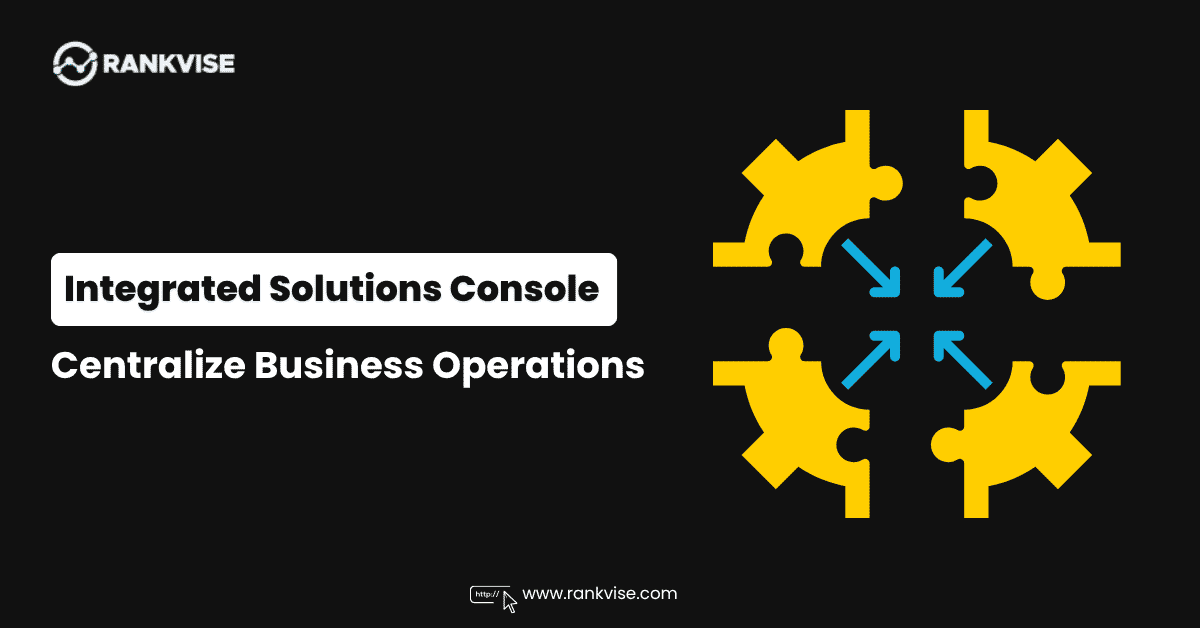
An integrated solutions console is a unified platform that connects multiple business tools into one interface. It eliminates the need to switch between disconnected applications for daily operations. Teams access data, workflows, and communications from a single command center.
- Consolidating disparate tools into one console reduces context-switching, increases productivity, and delivers comprehensive operational visibility for leaders.
- Cross-platform workflow orchestration automates handoffs, prevents dropped tasks, and synchronizes processes across CRM, support, finance, and project systems.
- Robust integration layer, single sign-on, and role-based access enforce security and compliance while simplifying onboarding and centralized auditing.
Think of it as mission control for your entire technology stack. Rather than managing ten separate dashboards, everything converges into one cohesive workspace. This consolidation reduces friction, saves time, and gives leaders complete operational visibility.
Why Businesses Are Moving Toward Unified Consoles
Modern organizations use an average of 130 SaaS applications across departments. Each tool generates isolated data that rarely connects to the bigger picture. This fragmentation creates blind spots that slow decisions and increase operational risk.
An integrated solutions console solves this by bridging gaps between platforms. Marketing data flows into sales workflows while support tickets inform product development priorities. Information moves freely rather than sitting trapped inside departmental silos.
Key drivers pushing adoption:
- Rising software sprawl making daily work harder to manage
- Increasing demand for real-time cross-departmental visibility
- Need to reduce context-switching that kills productivity
- Growing compliance requirements demanding centralized audit trails
- Executive pressure for unified reporting without manual data assembly
Core Components of an Integrated Solutions Console
Unified Dashboard and Data Visualization
The console presents key metrics from every connected system in customizable views. Widgets pull live data from CRM, project management, finance, and support tools simultaneously. Decision-makers see organizational health at a glance without opening multiple applications.
Workflow Orchestration Engine
Automated workflows span across connected platforms without manual handoffs between teams. A customer complaint triggers support ticket creation, account manager notification, and executive escalation simultaneously. Cross-platform automation eliminates dropped balls between departments.
Centralized Communication Hub
Messages, notifications, and alerts from all connected tools funnel into one prioritized stream. Team members respond to critical items without checking five separate inboxes throughout the day. Contextual threading connects conversations to relevant projects and client records automatically.
Identity and Access Management
Single sign-on and role-based permissions control who accesses what across the entire ecosystem. Administrators manage user privileges from one location rather than configuring each tool separately. This centralization strengthens security posture while simplifying onboarding and offboarding.
API Gateway and Integration Layer
The console connects to existing tools through pre-built connectors and flexible API configurations. Custom integrations accommodate proprietary systems unique to your industry or workflow. Data synchronization keeps every connected platform updated in real time.
Benefits of Deploying an Integrated Solutions Console
Organizations implementing unified consoles report significant operational improvements across measurable dimensions.
- Productivity gains of 20-35% through eliminated context-switching and automated cross-platform workflows
- Reduced tool costs by identifying redundant applications performing overlapping functions
- Faster onboarding when new hires learn one interface rather than dozens of disconnected tools
- Improved data accuracy through automated synchronization replacing manual entry across platforms
- Stronger compliance posture with centralized audit logs tracking actions across all systems
- Better executive visibility through unified reporting that requires zero manual data aggregation
Industries That Benefit Most From Console Integration
IT and Managed Service Providers
MSPs juggle monitoring tools, ticketing systems, and client portals daily. An integrated solutions console surfaces alerts, assigns technicians, and updates clients through one workflow. Response times improve dramatically when context lives in a single pane of glass.
Financial Services and Banking
Compliance-heavy industries need centralized audit trails spanning multiple operational platforms. Unified consoles consolidate transaction monitoring, risk assessment, and reporting requirements. Regulators appreciate clean data lineage flowing from one authoritative system.
Healthcare Operations
Hospital administrators coordinate patient records, scheduling, billing, and compliance across fragmented systems. Integration consoles bridge EMR platforms with operational tools to streamline care delivery. Staff access patient context without toggling between disconnected interfaces during critical moments.
Marketing and Creative Agencies
Agencies manage client campaigns across advertising platforms, analytics tools, and project trackers simultaneously. Consolidated interfaces display campaign performance alongside resource allocation and client communication. Account managers serve clients better with complete visibility from one workspace.
How to Evaluate Integrated Solutions Console Platforms
Assess Your Integration Needs First
Audit your current technology stack and identify which connections deliver the highest value. Prioritize platforms that offer native connectors for your most critical daily tools. Custom API requirements add implementation complexity—factor this into timeline estimates.
Prioritize Flexibility Over Feature Count
The best console adapts to your workflows rather than forcing process changes onto your team. Customizable dashboards, configurable automations, and modular architecture support unique business requirements. Avoid rigid platforms that impose one-size-fits-all operational assumptions.
Evaluate Vendor Ecosystem and Longevity
Choose providers with active development roadmaps and growing integration partner networks. Platform stability matters because console migration disrupts entire operational ecosystems. Check vendor funding, customer retention rates, and community activity before committing.
Implementation Best Practices
Start with three to five critical integrations rather than connecting everything simultaneously. Validate data accuracy between connected systems before expanding your integration footprint. Assign a dedicated administrator who owns console configuration and ongoing optimization.
Train teams on workflow changes before launching automated cross-platform processes. Measure productivity metrics before and after deployment to quantify concrete ROI. Expand integrations quarterly based on team feedback and demonstrated value from existing connections.
Challenges and How to Overcome Them
Data Mapping Complexity
Different platforms structure information differently—customer records rarely match field-for-field. Invest in proper data mapping during implementation to prevent synchronization errors downstream. Transformation rules normalize data formats automatically as information flows between systems.
Change Management Resistance
Teams comfortable with existing tools sometimes resist adopting a unified interface. Demonstrate time savings with concrete examples from pilot users to build organizational enthusiasm. Celebrate early adopters and share their productivity wins broadly across the organization.
Security and Permission Sprawl
Centralizing access creates powerful capabilities that demand careful permission architecture. Implement least-privilege access models from day one rather than retrofitting after deployment. Regular access reviews ensure permissions stay aligned with evolving role responsibilities.
FAQs
A unified platform connecting multiple business tools into one interface for centralized management of data, workflows, and communications across departments.
A CRM manages customer relationships specifically, while an integrated solutions console connects CRM alongside project management, finance, support, and other operational platforms.
Start with tools your team uses daily—typically CRM, communication platforms, project management, and primary operational systems that generate the most cross-department dependencies.
Basic deployment takes two to four weeks, while complex multi-platform integrations with custom workflows require eight to twelve weeks for full optimization.
Yes – small teams gain disproportionate value because fewer staff members handle more tools, making centralized access and automation even more impactful per person.