
Mobile gaming now attracts billions of short sessions each day, yet only a small percentage of releases achieve sustainable profit. Art style, marketing spend, and licensed characters can spark initial downloads, but long-term traction depends on one decisive factor: how smooth every interaction feels from the first loading screen to the last daily quest.
Studios that partner with mobile game development services gain early access to specialist UX designers who prototype control schemes, menu flows, and feedback effects long before code reaches full production. As a result, core loops mature quickly, and user research guides polishing sprints rather than emergency patches after launch.
Touch First, Friction Last
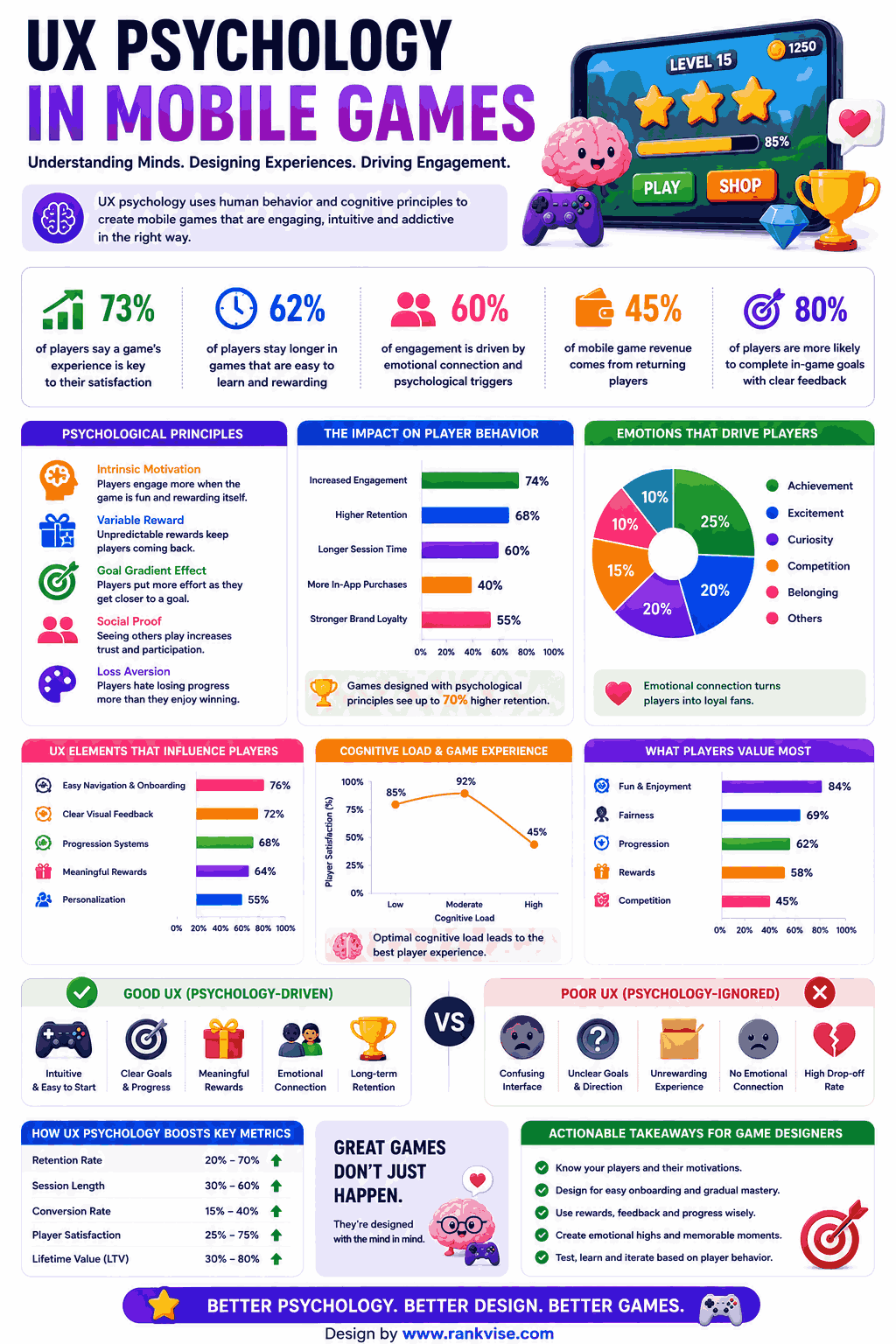
Smartphones differ from consoles and PCs in two critical ways: screen real estate is limited, and finger input lacks tactile buttons. Gestures must therefore remain forgiving. An action that demands pinpoint accuracy on a six-inch display invites frustration, while a broad swipe arc that cancels moves by accident drains goodwill even faster. Successful mobile titles structure hit boxes, on-screen prompts, and visible boundaries around predictable thumb reach zones.
Perceived performance also shapes satisfaction. A half-second pause during asset streaming feels longer on a bus ride than in a living room. Lightweight texture compression, adaptive frame rates, and smart loading states keep the experience fluid across mid-range hardware where many potential fans reside.
UX Elements That Drive Immediate Retention
- Instant Clarity
A new player should understand the main objective within fifteen seconds of interactive control. - Readable Feedback
Color flashes, micro-animations, and haptic pulses confirm successful input without flooding senses. - Contextual Tutorials
Bite-sized guidance appears exactly when needed, then disappears to restore flow. - Gentle Onboarding Pace
Difficulty and mechanic complexity rise gradually, building confidence instead of confusion.
By delivering these comforts early, design teams create an emotional credit line. Minor missteps later in the session feel like rare exceptions rather than constant annoyances.
Sustaining Engagement Through Emotional Design
Human brains crave progression and recognition. Level meters, badge collections, and evolving hub worlds speak directly to that desire, yet implementation details decide whether progression feels motivating or manipulative. A reward that arrives too easily loses meaning; one that feels impossible dampens curiosity.
Soundscapes and micro-vibrations strengthen connection. A crisp chime when a puzzle piece snaps in place nudges satisfaction chemicals. A subtle vibration accompanying a critical hit in a shooter reinforces mastery. These sensory cues must stay consistent across updates, or loyal users perceive a subtle loss of quality.
Rich UX goes beyond nice art and clever sound. It anticipates life conditions: patch sizes respect cellular data caps, pause states save during incoming calls, brightness presets protect late-night eyes. When a title adapts to everyday routines, habit loops form naturally.
Data-Driven Iteration Wins the Long Game
Analytics dashboards reveal where users drop out, which menus confuse, and how long sessions last at each rank. Without precise instrumentation, UX debates devolve into opinion battles. Metrics empower agile tests of alternative button placements, reward timings, or gesture sensitivities. Split cohorts prove what feels intuitive, allowing creative vision to coexist with measurable reality.
One misinterpreted chart can misguide a roadmap, so context matters. A spike in menu exits might indicate confusing copy, but could also signal players quickly finding the next objective. Qualitative feedback from surveys and social channels filters numbers through lived experience, producing balanced conclusions.
Metrics That Matter for UX Health
- First Session Length
Longer than eight minutes often predicts strong day-seven retention. - Retry Rate After Failure
High values suggest fair challenge; steep drop-offs flag frustration. - Navigation Depth
Average clicks to access inventory reveal menu clarity. - Frame Time Consistency
Stable performance outweighs occasional peaks in realism.
Regularly reviewing these measurements, teams prioritize updates that return the greatest enjoyment per development hour.
Monetization Without Compromising Comfort
Free-to-play models dominate app stores, yet poorly executed monetization ruins otherwise compelling gameplay. Pop-ups that break momentum or loot boxes masking true odds erode trust. The healthiest conversions occur when purchases feel like accelerators rather than gates.
Cosmetic items work well because identity expression fuels sharing. Season passes bundle value with transparent progress milestones, letting casual users stay competitive through effort while devoted fans support continued development financially. Ad placements should reward optional engagement, extra lives, bonus currency so non-spenders still perceive generosity.
A secure checkout flow completes the UX loop. Auto-filled platform credentials, clear pricing, and instant confirmation prevent abandoned carts and support tickets.
Accessibility Expands Audience
Inclusive design widens the pool of potential advocates. Color-blind modes adjust palettes without diluting artistic intent. Customizable font sizes aid older players on smaller screens. Optional one-hand control presets support commuters gripping subway poles. Each addition may seem small in isolation, yet together they compound adoption across diverse demographics.
Localization extends further. Translating interface text is baseline; adapting cultural references, tutorial metaphors, and even default difficulty ensures relevance in emerging regions. Passive voice reductions and icon-based cues help non-readers find fun quickly.
Conclusion: UX as the Ultimate Power-Up
Modern mobile gaming success is no longer a lottery of app-store featuring luck. It is a disciplined craft that weaves psychology, engineering, and artistic polish into seamless minutes of joy. Studios measuring swipes, presses, and pauses as carefully as frame budgets convert curious downloaders into devoted communities. Investors may track lifetime value, but players sense only effortless pleasure and return for another round.