Skip to content
You post content consistently. Your analytics show impressive reach numbers. Yet comments remain sparse and likes feel disappointing. Where did your audience go?
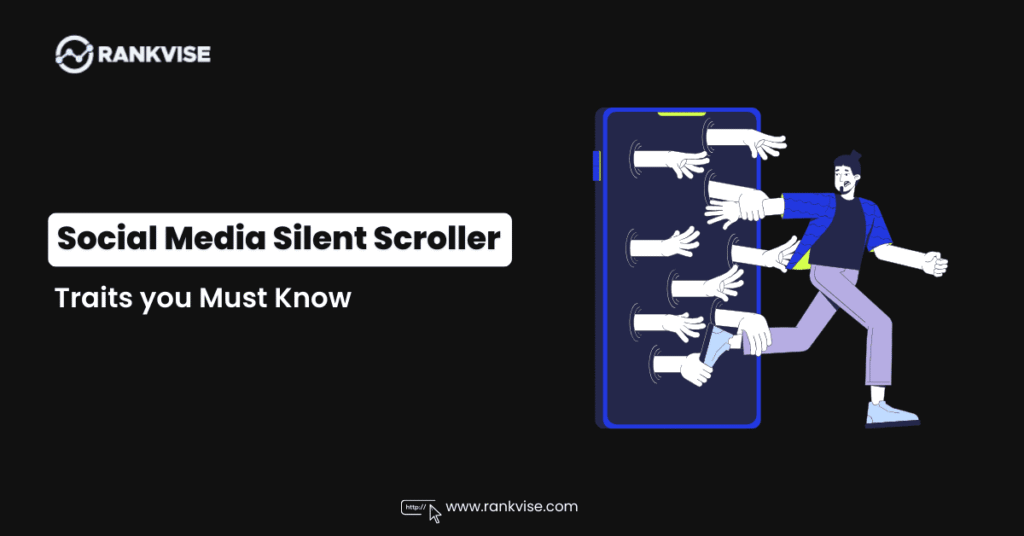
They never left. They are watching silently.
According to a study published in the Journal of Computer-Mediated Communication, approximately 90% of social media users qualify as lurkers. These passive participants consume content without visible engagement. They scroll, read, save, and screenshot—all without leaving a trace.
Understanding social media silent scroller traits transforms how you create content. It changes how you measure success. Most importantly, it reveals the true size of your influence.
This guide explores the psychology behind passive social media users. You will learn their defining characteristics and discover why they choose silence. By the end, you will know how to create content that resonates with your entire audience—not just the vocal minority.
What Defines a Silent Scroller on Social Media?
A silent scroller consumes social media content without engaging publicly. They do not like posts. They rarely comment. Sharing feels too exposed. Yet they spend significant time on platforms daily.
This behavior differs from disinterest. Silent scrollers often feel deeply connected to content they never acknowledge. They may discuss your posts with friends offline. They might purchase products you recommend. Their silence masks genuine attention.
The term “lurker” historically described this behavior. However, lurking implies something negative or suspicious. Modern understanding recognizes passive consumption as a legitimate engagement style. Not everyone expresses interest through public actions.
How Common Is Silent Scrolling Behavior?
Research from the GlobalWebIndex suggests active engagers represent only 10-15% of any social media audience. The remaining 85-90% watch quietly. This ratio holds across platforms, industries, and demographics.
Consider your own behavior honestly. How often do you scroll Instagram without liking anything? How many YouTube videos do you watch without commenting? Most people recognize themselves as silent scrollers on at least some platforms.
9 Key Social Media Silent Scroller Traits
Identifying passive social media users requires understanding their distinctive characteristics. These traits explain both behavior and motivation.
1. High Content Consumption, Low Visible Activity
Silent scrollers spend substantial time on social platforms. They often exceed average usage statistics. However, their activity remains invisible to content creators.
They might spend two hours on Instagram daily. Their profile shows zero posts and minimal following activity. The disparity between consumption and creation defines this trait clearly.
2. Preference for Observation Over Participation
These users genuinely prefer watching to participating. Social media feels like entertainment rather than conversation. They treat platforms like television—something to watch, not something requiring response.
This preference is not laziness. It reflects a deliberate choice about how to spend energy online.
3. Privacy-Conscious Mindset
Many silent scrollers value privacy intensely. Public engagement creates digital footprints. Comments reveal opinions. Likes expose interests. Quiet consumption protects personal information.
According to Pew Research Center, 79% of social media users express concern about data privacy. Silent scrolling represents one response to these concerns.
4. Fear of Judgment or Conflict
Some passive users avoid engagement due to social anxiety. Posting comments invites potential criticism. Sharing content opens vulnerability. Silence feels safer.
The fear intensifies on controversial topics. Even agreeing with popular opinions feels risky. What if someone challenges them? Avoidance seems easier.
5. Analytical and Thoughtful Personality
Silent scrollers often process information deeply before responding. By the time they formulate thoughts, conversations have moved forward. Their comments feel late or irrelevant.
These individuals contribute significantly in slower-paced environments. Long-form content suits their processing style better than rapid social feeds.
6. Multiple Platform Presence With Varied Engagement
Interesting patterns emerge across platforms. Someone silent on Twitter might engage actively on LinkedIn. A passive Instagram user could comment frequently on YouTube.
Platform culture influences engagement decisions. Users match their behavior to perceived community norms.
7. Strong Memory for Content Consumed
Despite leaving no trace, silent scrollers remember what they see. They recall specific posts, creators, and recommendations. This memory influences purchasing decisions and opinions.
Marketers often underestimate this retention. Passive users absorb brand messages effectively without signaling receipt.
8. Selective Deep Engagement
Silent scrollers occasionally break their pattern for exceptional content. When something resonates profoundly, they might comment or share. These rare engagements carry significant meaning.
Pay attention when typically quiet followers suddenly engage. Something about that content broke through their usual reserve.
9. Offline Discussion of Online Content
Perhaps the most overlooked trait involves offline behavior. Silent scrollers discuss social media content with friends, family, and colleagues. They share screenshots privately. They recommend accounts verbally.
This word-of-mouth influence remains invisible to analytics. Yet it drives real awareness and growth.
Why Do People Become Passive Social Media Users?
Understanding motivation helps content creators respond appropriately. Several factors drive lurker behavior on social platforms.
Platform Fatigue and Overwhelm
Social media demands constant attention and response. Many users feel exhausted by these expectations. Passive consumption reduces cognitive load while maintaining connection.
The average person encounters 6,000-10,000 advertisements daily across all media. Adding engagement requirements intensifies mental fatigue.
Negative Past Experiences
Previous negative interactions shape future behavior. Someone who received harsh criticism may retreat into observation. Trolling, harassment, or simple rudeness discourages future participation.
According to the Anti-Defamation League, 41% of Americans have experienced online harassment. Such experiences naturally produce caution.
Introversion and Social Energy Management
Introverts recharge through solitude. Social engagement—even digital—depletes energy. Silent scrolling allows social connection without the exhaustion of active participation.
This trait does not indicate disinterest or rejection. It reflects energy management strategies common among introverted personality types.
Professional or Personal Risk Concerns
Many professionals monitor their digital presence carefully. A controversial comment could affect employment. A misunderstood post might damage relationships. Silence eliminates these risks.
Industries with strict social media policies produce particularly cautious users. Healthcare workers, teachers, and government employees often maintain minimal public presence.
How Silent Scrollers Impact Content Strategy
Recognizing the quiet social media audience changes how smart marketers approach their work. Traditional metrics miss the full picture.
Rethinking Engagement Metrics
Likes and comments measure only vocal minority behavior. Reach, impressions, and time-on-content reveal silent scroller attention. Saves and shares often indicate deeper interest than likes.
Consider tracking these alternative indicators:
- Video completion rates
- Time spent on posts
- Save-to-impression ratios
- Website clicks from social content
- Direct message inquiries
Creating Content for Observers
Silent scrollers respond to specific content characteristics. They appreciate thorough, standalone posts. They value content worth saving or screenshotting. They respond to calls-to-action that do not require public engagement.
Effective approaches include:
- Educational carousels with complete information
- Step-by-step guides saved for later reference
- Thought-provoking content discussed offline
- Clear pathways to private engagement like email lists
- Content that delivers value without requiring response
Building Trust Over Time
Passive users need longer exposure before taking action. They observe consistently before committing. Patience and consistency eventually convert silent attention into tangible outcomes.
Trust builds through reliable value delivery. Show up consistently. Deliver quality repeatedly. Silent scrollers notice and remember.
Converting Silent Scrollers to Active Participants
Some content creators want to encourage more visible engagement. Gentle strategies can invite participation without pressuring uncomfortable users.
Lower the Barrier to Entry
Simple engagement feels less risky. Ask yes-or-no questions. Use poll features. Request emoji responses. These low-commitment actions suit cautious users.
Create Safe Spaces for Participation
Establish clear community guidelines. Moderate discussions actively. Demonstrate that engagement will not invite attacks. Safety encourages participation.
Acknowledge That Silence Is Acceptable
Explicitly welcome observers. State that lurking is fine. Removing pressure paradoxically increases engagement. People respond better to invitations than demands.
Conclusion: Embracing Your Full Audience
Social media silent scroller traits reveal a massive hidden audience. These passive social media users consume, remember, and act on your content. They just do it quietly.
Understanding this behavior changes success measurement. Engagement rates tell only part of the story. Reach, retention, and eventual conversion matter equally.
Create content for everyone—not just those who comment. Trust that silent attention carries real value. Your influence extends far beyond visible metrics.
The next time engagement feels disappointing, remember the 90%. They are watching. They are listening. They simply prefer the quiet seats.
Frequently Asked Questions
Research indicates 85-90% of social media users engage passively. Only 10-15% actively like, comment, or share content regularly.
Common reasons include privacy concerns, fear of judgment, introversion, platform fatigue, and preference for observation over participation.
Absolutely. Passive users remember content, make purchasing decisions, and recommend brands through offline conversations despite leaving no visible engagement.
Monitor reach versus engagement ratios, video completion rates, saves, website clicks, and direct messages. These metrics reveal silent audience attention.
Yes, through low-barrier interactions like polls, safe community spaces, and explicitly welcoming observers without pressuring participation.