Skip to content
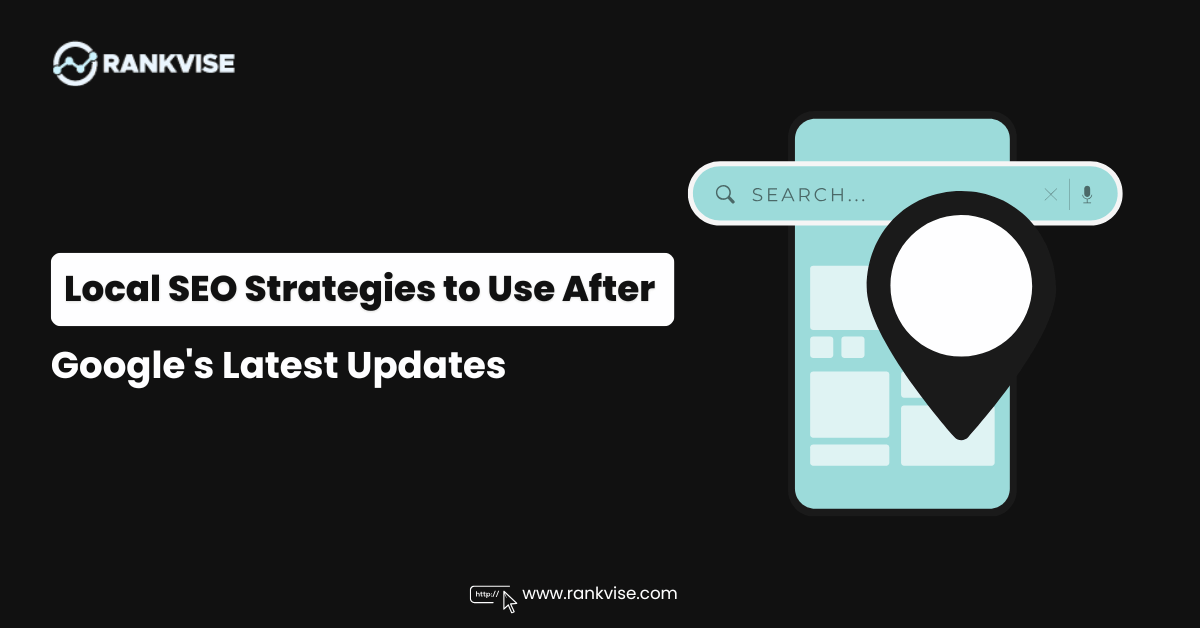
Google keeps refining how it ranks local businesses. Yet the core goal remains steady. It wants to show nearby searchers the most relevant, trustworthy, and useful result.
That matters for every business with a physical location or service area. If you depend on calls, foot traffic, or local leads, shortcuts no longer work. Strong local SEO now comes from better business signals, better website quality, and better customer experience.
The good news is simple. Many local SEO strategies still work extremely well. You just need to execute them with consistency and depth.
In this guide, you will learn 15 practical tactics that still help businesses improve Google Business Profile visibility, rank in local search, and win more qualified traffic in 2026.
Why local SEO still matters after Google’s updates
Google’s recent updates have pushed local businesses toward higher-quality marketing. Thin pages, weak directory links, and low-value content have less impact now. Meanwhile, trusted brands with strong location signals continue gaining visibility.
That shift helps serious businesses. If your information is accurate, your reviews are strong, and your site answers local intent clearly, you can still compete. In many markets, local search is now less about gaming the algorithm and more about proving real-world relevance.
1. Fully optimize your Google Business Profile
Your Google Business Profile remains one of the strongest local ranking assets. A complete profile helps Google understand what you offer, where you operate, and why users should choose you.
Make sure your business name, primary category, secondary categories, hours, phone number, and website are accurate. Add services, products, business attributes, and a compelling business description. Upload fresh photos regularly because visual activity supports trust and engagement.
2. Choose the right primary and secondary categories
Categories influence which searches trigger your listing. Many businesses overlook this and pick broad labels that weaken relevance. The right category set can improve visibility without changing anything else.
Start with your main revenue-driving service as the primary category. Then use secondary categories for related offerings. If you are a dentist who also provides cosmetic treatments, your categories should reflect both core care and specialty demand where appropriate.
3. Keep NAP details consistent everywhere
NAP consistency still matters because it confirms business legitimacy across the web. NAP means your name, address, and phone number must match everywhere users and search engines find you.
Check your website, local directories, social profiles, map listings, and data aggregators. Fix old phone numbers, tracking number mismatches, suite formatting issues, and duplicate listings. Small inconsistencies can dilute trust, especially in competitive local markets.
4. Build location pages that actually help users
Many businesses create thin location pages stuffed with city names. Those pages no longer perform well because they add little value. Google prefers pages that genuinely help people in specific service areas.
Each location page should include unique service details, local proof, FAQs, testimonials, directions, parking information, nearby landmarks, and relevant calls to action. If every page says the same thing with swapped city names, you are unlikely to rank well for near me searches or localized keywords.
5. Match content to local search intent
Strong local content does more than mention a town name. It answers real questions people ask before choosing a business nearby. That is where search intent matters.
A local roofing company might publish pages about storm damage inspections, insurance claim preparation, or roof replacement costs in a specific city. A law firm might explain local court processes or neighborhood-specific legal concerns. This kind of content aligns with local search ranking factors because it connects services to real community needs.
6. Earn and manage reviews strategically
Reviews remain one of the clearest trust signals in local search. They influence click-through rates, customer confidence, and likely local pack performance. Quantity matters, but quality and recency matter too.
Ask satisfied customers for reviews soon after a positive experience. Encourage natural language about the service, outcome, and location. Then respond to every review professionally, including critical ones. Thoughtful responses show both Google and potential customers that your business is active and credible.
7. Use local schema markup on your website
Schema does not magically boost rankings on its own. However, it helps search engines understand business details more clearly, which supports stronger relevance signals over time.
Use structured data for your local business, including name, address, phone, opening hours, service area, and review-related elements where appropriate. If you have multiple branches, each location should have its own clear schema details. This is a technical improvement with strong long-term value.
8. Build high-quality local citations, not random listings
Citations still help when they come from trusted, relevant sources. The problem is many businesses still chase low-quality directory submissions at scale. That approach adds noise instead of authority.
Focus on accurate listings in reputable local directories, chamber of commerce websites, industry associations, neighborhood guides, and credible business platforms. A smaller set of strong citations often outperforms a large batch of weak listings. This is especially true after quality-focused updates.
9. Create locally relevant backlinks
Links still matter, but local link building works best when it reflects real community relationships. Google is better at identifying useful, context-rich links than mass-produced ones.
Sponsor local events, partner with nearby nonprofits, contribute expert quotes to local publications, support community initiatives, and build relationships with complementary businesses. For example, a wedding photographer might earn links from local venues, florists, and event planners. These links reinforce geographic relevance and business trust.
10. Improve mobile experience and page speed
Many local searches happen on mobile devices when users are ready to act quickly. If your site loads slowly or creates friction, rankings and conversions can suffer together.
Your contact details should be visible immediately. Buttons should be easy to tap, pages should load fast, and forms should stay short. If someone searches on a phone and cannot call, get directions, or request service in seconds, your local SEO loses business value.
11. Strengthen your on-page local signals
On-page SEO still supports local rankings when done naturally. Titles, headings, internal links, image alt text, and service copy should all reinforce business relevance without sounding forced.
Include your target location where it makes sense, especially in title tags, H1s, service headings, and meta descriptions. Mention neighborhoods, service areas, and nearby landmarks when relevant. The goal is clarity, not repetition. Good on-page work helps search engines connect your pages with local demand.
12. Publish proof-based local content
Google’s updates increasingly reward content that demonstrates experience and trust. Local businesses can use this to their advantage by publishing proof-based content instead of generic advice.
Case studies, before-and-after examples, customer success stories, project galleries, and service walk-throughs all perform well. A landscaping company could show a backyard renovation in a named suburb. A med spa could explain treatment planning with realistic expectations. This supports local SEO tips that also improve conversion rates.
13. Track behavioral signals and conversion paths
Ranking is only part of local SEO success. You also need to measure what happens after the click. If users visit your site but do not call, book, or request directions, something is breaking in the funnel.
Track phone clicks, form fills, appointment requests, map interactions, and page engagement by location. Review which pages attract high-intent traffic and which ones underperform. Better local SEO comes from connecting rankings to business outcomes, not just impressions.
14. Remove duplicate and outdated business listings
Duplicate listings confuse both users and search engines. They split review signals, create NAP conflicts, and weaken your brand’s local authority. This issue is still common, especially for older businesses or companies that moved locations.
Audit Google listings, map platforms, directories, and old franchise pages. Claim what you can, remove what you should, and merge duplicates where possible. Cleanup work may not feel exciting, but it often produces measurable local visibility gains.
15. Keep your local strategy active, not static
Local SEO is not a one-time setup anymore. Businesses that win usually maintain an active presence. They update hours, add new photos, answer questions, collect reviews, refresh pages, and monitor rankings by service area.
Google’s updates reward businesses that look alive and helpful. An inactive profile with stale content sends the opposite message. Even simple monthly maintenance can protect rankings and improve lead quality over time.
What businesses should stop doing now
Some tactics still appear in outdated local SEO advice, but they create risk today. If your strategy relies on volume over value, it is time to adjust.
Avoid these habits:
- Creating dozens of near-identical city pages with swapped place names
- Buying cheap backlinks from irrelevant websites
- Stuffing keywords into your business name or page copy
- Ignoring negative reviews or leaving profiles outdated
- Building citations on low-quality directories with no traffic or trust
These shortcuts may create short-term movement, but they rarely build stable visibility.
How to prioritize local SEO in 2026
If you want the fastest return, start with the assets closest to revenue. For most businesses, that means your Google Business Profile, core location pages, reviews, and conversion-focused website improvements.
Then expand into content, citations, and local link building. This order works because it strengthens both rankings and customer action. Better visibility matters, but better conversion turns visibility into booked business.
Final thoughts
The best local SEO strategies still work because they align with what Google wants. The search engine wants relevance, trust, accuracy, and a strong user experience. Those principles have not disappeared after the latest updates.
All of these are simple strategies but they require consistency. By updating websites to be more active, more accurate, and more useful to the people who are looking to use them, Google is rewarding these companies that are truly useful. If it seems like too much effort for you and your business, then consider hiring a team that offers local seo services Fort Lauderdale to take care of the profile update, content and tracking for you!
If your business focuses on clear local signals, helpful content, real reviews, and strong website performance, you can still grow consistently. Local SEO is not dead. It is simply more honest, more quality-driven, and more connected to real business credibility.
A well-optimized Google Business Profile, strong reviews, and a helpful website remain the biggest drivers.
Yes, but only when they are accurate, relevant, and placed on trusted platforms.
Update it whenever hours, services, or offers change, and add fresh photos regularly.
Yes, if each page is unique, useful, and built around real local intent.
For many local businesses, reviews influence trust and conversions faster than most backlinks.