AI-driven pentesting is changing how organizations find and address security risks. Traditional manual penetration tests can be slow, costly, and inconsistent, often leaving gaps in coverage.
Automated AI pentesting tools speed up the process, mimic real-world attacks, and highlight the most critical vulnerabilities that need fixing. They also help teams integrate security directly into development workflows, reducing remediation time and improving overall application security.
This article reviews top AI pentesting platforms, comparing their features, coverage, and user-friendly workflows to help security teams choose the best fit for their needs.
Why AI Pentesting is Changing Security
AI pentesting platforms combine machine learning, automation, and deep vulnerability insights to deliver faster, more precise testing. Benefits include:
- Reduced testing time: Quickly spot issues in complex systems.
- Higher coverage: Test code, APIs, containers, and cloud environments.
- Prioritized findings: Focus on the most important risks.
- Integration with DevOps: Embed pentesting directly into CI/CD pipelines.
- Actionable remediation: Provide clear instructions for fixes.
- Continuous testing: Run automated checks as code evolves.
Overall, AI pentesting helps security teams stay ahead of threats while maintaining speed and efficiency in software delivery.
Aikido
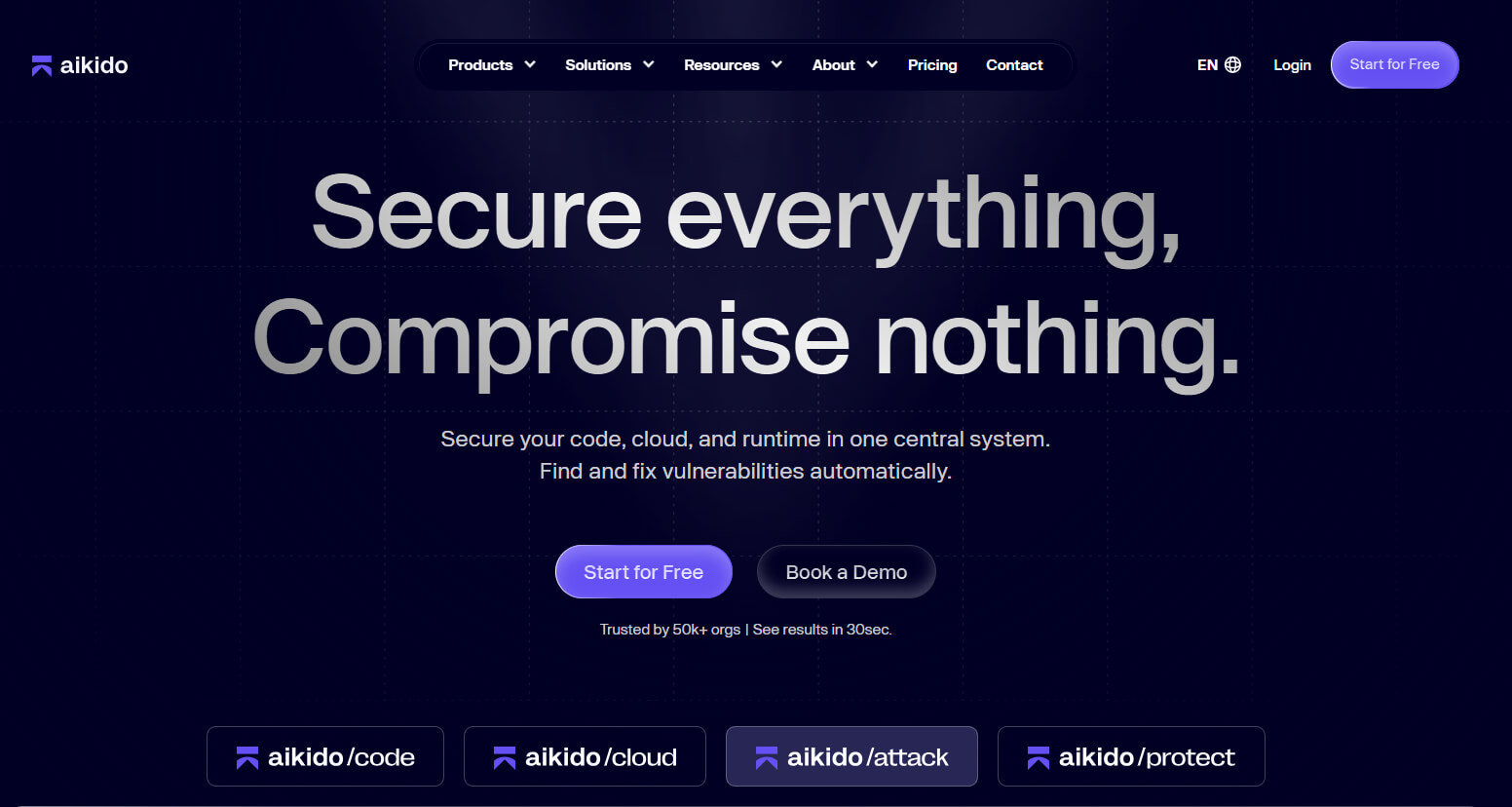
Aikido Security uses AI to simulate attacks across applications, APIs, and cloud environments. It offers actionable remediation guidance and emphasizes the most critical vulnerabilities.
Strengths
- Comprehensive coverage: Scans APIs, apps, cloud environments, and various repositories.
- AI-driven prioritization: Highlights the most critical vulnerabilities.
- Continuous monitoring: Tracks issues in real-time as code changes.
- Developer-first guidance: Delivers clear, actionable remediation instructions.
- Integration-friendly: Works with CI/CD pipelines and collaboration tools.
- Secrets and API detection: Finds exposed credentials and weak endpoints.
Addition Benefits
- Risk scoring and reporting: Shows impact for executives and security teams.
- Collaboration tools: Assigns and tracks remediation tasks across teams.
- Cloud-native scanning: Supports microservices, serverless, and containers.
- Threat intelligence correlation: Adds external context to findings.
- Infrastructure-as-Code analysis: Detects misconfigurations in deployment scripts.
Weaknesses
No notable weaknesses
Why Customers Choose Aikido
Customers prefer Aikido for its all-in-one approach. Teams gain comprehensive coverage, AI-based prioritization, and developer-friendly guidance. It reduces the number of tools and speeds up remediation. Continuous monitoring helps find vulnerabilities early.
Arnica
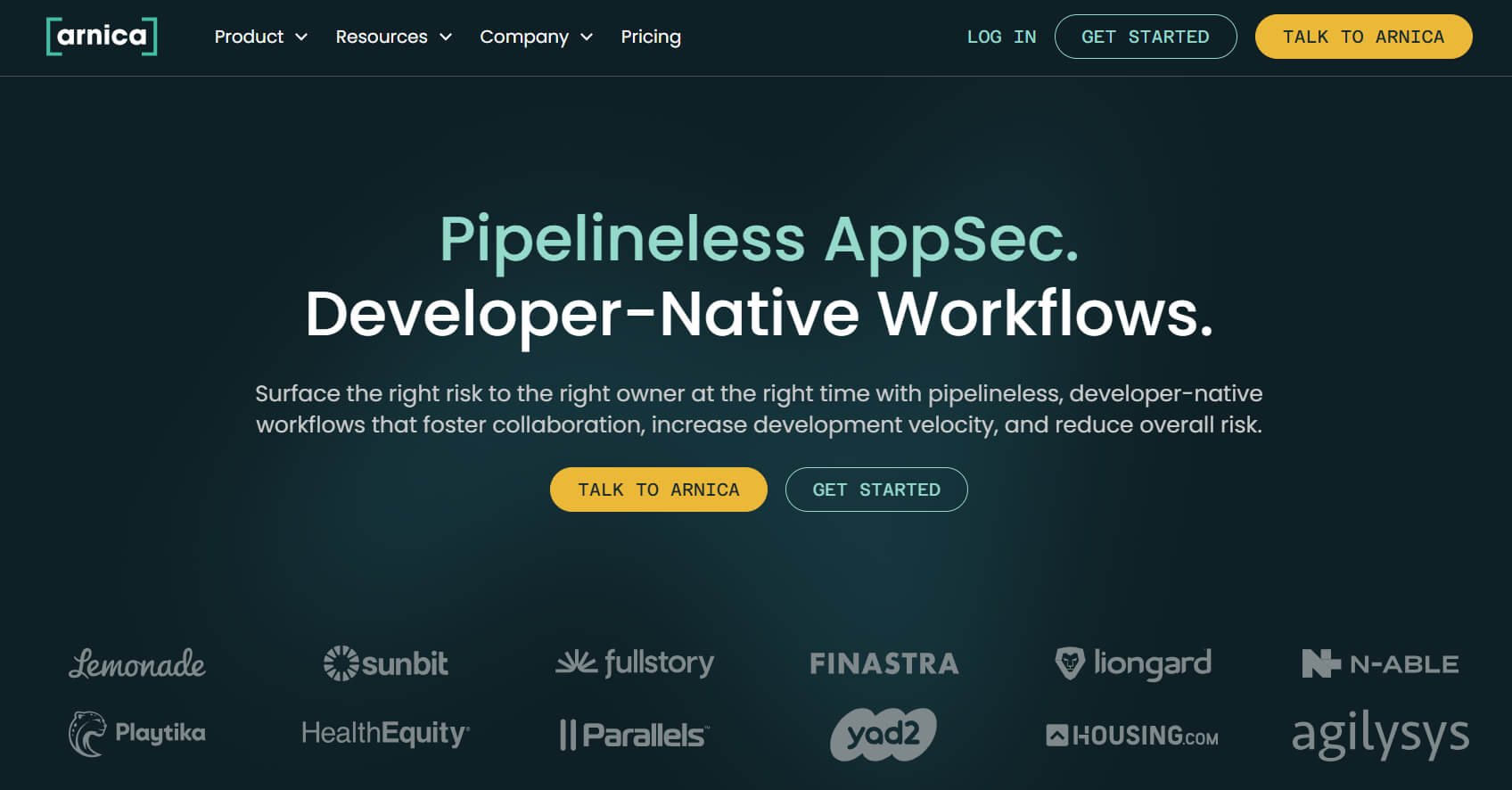
Arnica uses AI to detect vulnerabilities in real-time across code, APIs, and cloud-native systems. It emphasizes speed, minimal false positives, and smooth integration into developer workflows.
Strengths
- Real-time detection: Automatically spots vulnerabilities as code is committed.
- Developer-native workflows, description: Integrates with pull requests and collaboration tools.
- AI-assisted remediation: Suggests precise fixes and prioritizes critical issues.
- SAST and SCA coverage: Analyzes both code and dependencies.
- Secrets detection: Prevents exposed credentials from entering production.
- CI/CD integration: Embeds security into automated pipelines.
- Cloud-native support: Covers containers, microservices, and serverless applications.
- Risk prioritization: Focuses remediation efforts on the most exploitable vulnerabilities.
Weaknesses
- Fewer reporting features compared to larger enterprise-focused platforms.
- May need adjustments for legacy CI/CD workflows.
Customers like Arnica for its speed, minimal false positives, and user-friendly interface. Teams appreciate how it fits into existing workflows without slowing down development. Real-time feedback and clear guidance on fixes help teams tackle issues right away, making security a constant part of the development cycle.
Amica uses AI to detect vulnerabilities in real-time across code and cloud native systems. It emphasizes speed, minimal false positives, and smooth integration into developer workflows.
Cybot AI
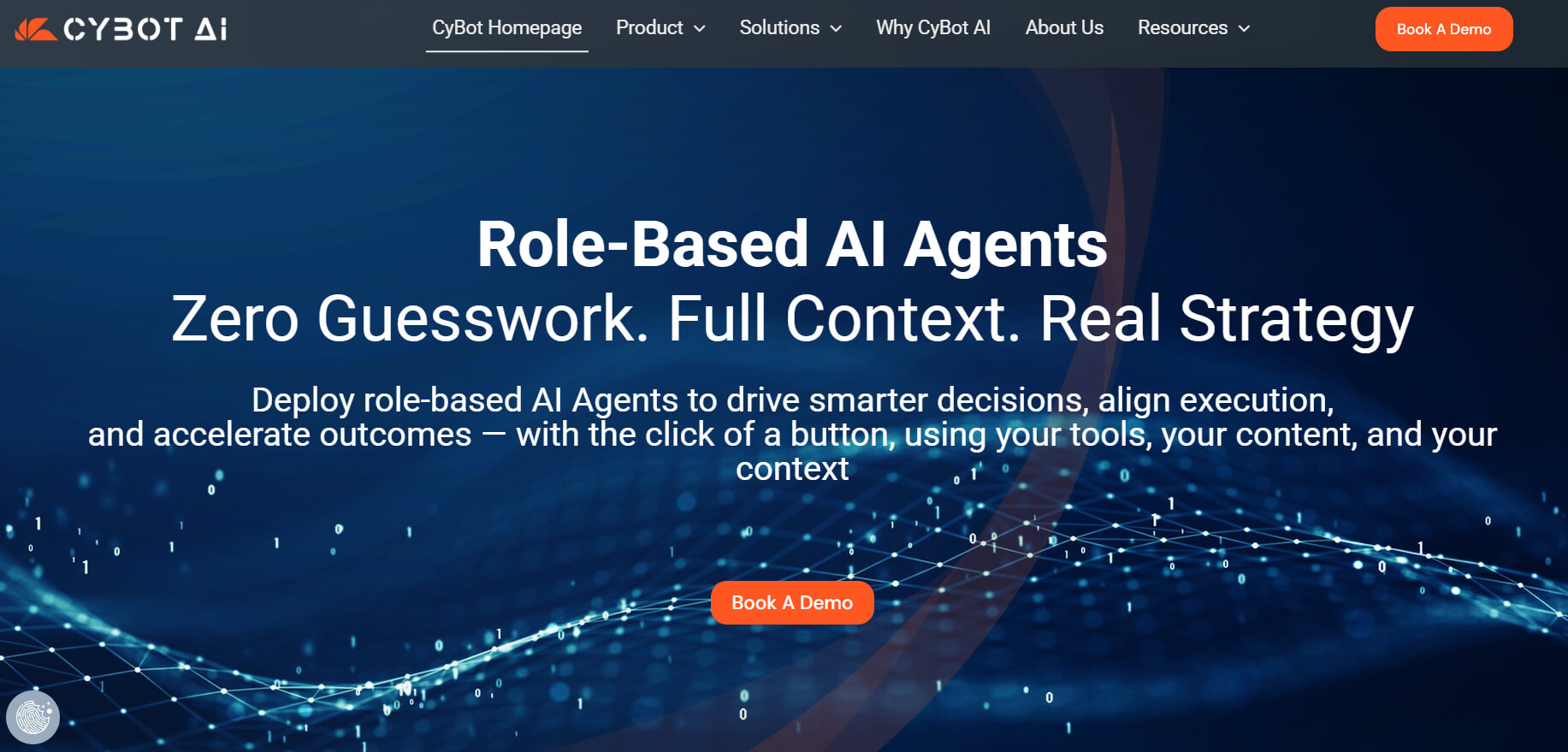
Cybot AI automates penetration testing using machine learning to uncover complex attack paths. It helps teams find hidden vulnerabilities quickly and provides guidance for remediation.
Strengths
- Automated threat modeling: Identifies complex attack paths in applications and APIs.
- Dynamic scanning: Detects vulnerabilities in running systems.
- Cloud-native support: Secures containers, serverless workloads, and hybrid environments.
- CI/CD integration: Runs scans automatically within pipelines.
- AI-assisted remediation: Provides suggested fixes and remediation guidance.
- Historical trend analysis: Monitors patterns to prevent recurring vulnerabilities.
Weaknesses
- Limited integrations with some legacy DevOps tools.
- Custom rule creation may require an initial learning stage.
Teams choose Cybot AI for its in-depth AI-driven analysis and continuous scanning. Its ability to spot subtle and complex vulnerabilities in cloud-native architectures is highly valued in organizations that have many deployments or sensitive applications.
Conclusion
AI pentesting platforms are changing application security by automating realistic attack simulations, focusing on high-risk issues, and blending smoothly into modern DevOps workflows.
Key Takeaways:
- Reduce manual testing time and human error.
- Detect critical vulnerabilities faster with AI insights.
- Embed security in CI/CD pipelines without delaying development.
- Maintain continuous monitoring across applications, APIs, and cloud infrastructure.
- Streamline remediation through helpful developer guidance.
Modern AI pentesting tools enable security teams to focus on high-priority issues, cut down remediation time, and strengthen overall application security. By using these platforms, organizations can keep up with fast-paced development while staying ahead of new threats in 2026 and beyond.
Investing in automated, AI-driven pentesting helps ensure that security keeps up with the speed and complexity of modern software delivery.