Skip to content
The New Rules of Brand Trust
A decade ago, building brand trust was relatively straightforward. Companies controlled their narratives through polished advertising campaigns, carefully crafted press releases, and one-way communication channels. Consumers had limited options to voice their opinions, and brands operated from a position of comfortable authority.
- Transparency is mandatory; every action can become public instantly, so brands must openly share information and admit mistakes.
- Social proof drives trust; user reviews, testimonials, and influencer endorsements matter more than branded advertising.
- Authenticity wins; consistent voice, human connection, and values-driven communication build lasting credibility.
- Speed and dialogue are essential; respond quickly, engage in two-way conversations, and treat social media as relationship-building.
Then social media happened—and everything changed.
Today, trust isn’t something brands can simply manufacture. It’s earned in real-time, one interaction at a time, under the watchful eyes of millions. The power has shifted dramatically from boardrooms to living rooms, from marketing departments to everyday consumers armed with smartphones and opinions.
The Transparency Revolution
Social media has created an era of radical transparency that fundamentally altered how brands must operate. Every customer interaction, every product failure, and every corporate decision can become public knowledge within seconds.
Consider this: 76% of consumers say they would refuse to buy from a company that supports issues contrary to their beliefs. This wasn’t a significant factor twenty years ago because consumers simply didn’t have access to this information. Now, a single tweet can expose corporate practices, supply chain issues, or executive misconduct to millions of people instantaneously.
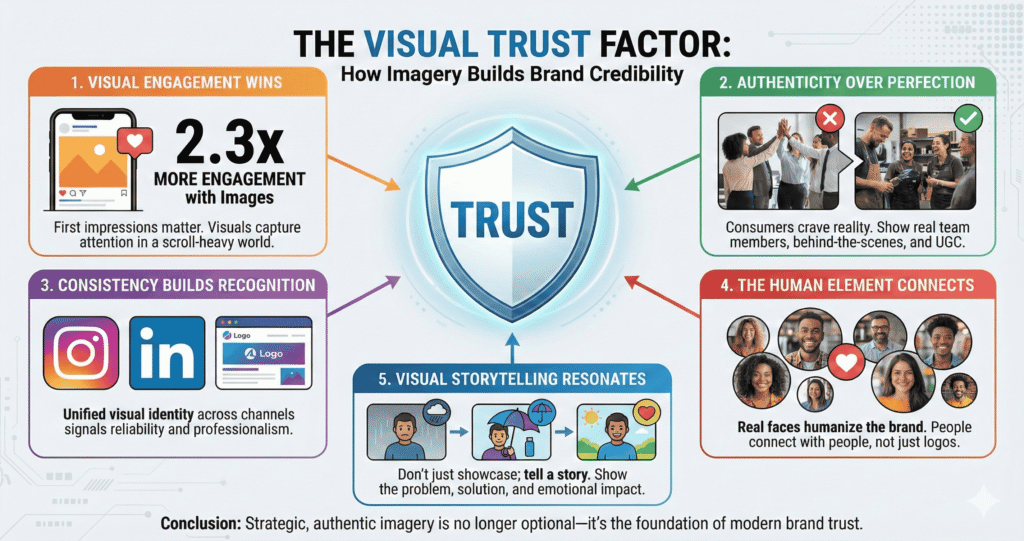
Brands can no longer hide behind carefully constructed facades. The companies thriving in this environment are those embracing transparency as a core value rather than viewing it as a threat. They share behind-the-scenes content, acknowledge mistakes publicly, and invite customers into their journey—flaws and all.
The Rise of Social Proof
Traditional advertising told consumers why they should trust a brand. Social media lets consumers see why they should—or shouldn’t.
User-generated content, reviews, and testimonials have become the currency of trust in the digital age. Research indicates that 93% of consumers read online reviews before making a purchase, and people trust recommendations from peers far more than branded content.
It’s spread across your content, your community interactions, your values, and the experiences you create. A brand ambassador can amplify your message and add credibility, but they can’t manufacture trust from scratch. The foundation has to be there first.
This shift has created both opportunities and challenges:
- Positive reviews can propel a small business to viral success overnight
- Negative experiences shared publicly can cause lasting reputational damage
- Influencer partnerships have emerged as a bridge between traditional advertising and peer recommendations
- Community building has become essential for fostering brand advocates
Smart brands understand that their most powerful marketing asset isn’t their advertising budget—it’s their satisfied customers willing to share their experiences.
The Authenticity Imperative
Perhaps no word captures the modern brand-trust landscape better than authenticity. Consumers have developed sophisticated radar for detecting insincerity, and social media has given them platforms to call it out.
The brands winning trust today share several characteristics:
Consistent voice across platforms. Whether responding to a complaint on X (formerly Twitter) or posting on Instagram, the brand’s personality remains recognizable and genuine. Inconsistency signals inauthenticity.
Human connection over corporate speak. Wendy’s became famous for its witty, sometimes savage social media presence. While this approach isn’t right for every brand, it demonstrated that consumers respond to personality, not corporate jargon.
Values-driven communication. Modern consumers, particularly Millennials and Gen Z, expect brands to stand for something beyond profit. Companies that take meaningful positions on social issues—and back them with action—build deeper trust with aligned audiences.
Vulnerability and honesty. When KFC faced a chicken shortage in the UK, they responded with a full-page ad rearranging their letters to spell “FCK” with an honest apology. The result? Increased brand affinity. Admitting mistakes humanizes brands and builds credibility.
The Speed of Trust (and Distrust)
Social media operates in real-time, meaning trust can be built or destroyed at unprecedented speed. A thoughtful response to a customer complaint can go viral for the right reasons. A tone-deaf post during a crisis can trend for all the wrong ones.
This velocity has forced brands to fundamentally rethink their approach:
- Response times matter. Customers expect acknowledgment within hours, not days
- Crisis management is constant. Every brand needs social media monitoring and rapid response protocols
- Proactive engagement builds goodwill. Brands that consistently show up for their communities earn trust reserves they can draw upon during difficult times
The brands managing this well have empowered their social media teams to act quickly and authentically, rather than running every response through lengthy approval chains that result in delayed, sanitized messaging.
Two-Way Dialogue: From Broadcast to Conversation
Traditional marketing was a monologue. Social media transformed it into a dialogue—and brands that still try to broadcast without listening are losing ground rapidly.
The most trusted brands today actively invite feedback, respond to criticism constructively, and incorporate customer input into their products and services. They treat social media not as another advertising channel but as a relationship-building platform.
This two-way communication has democratized brand relationships. A customer with a hundred followers can tag a major corporation and receive a personalized response. This accessibility has raised expectations across the board—consumers now expect to be heard, acknowledged, and valued.
Building Trust in the Social Media Age: Key Takeaways
For brands navigating this transformed landscape, several principles have emerged as essential:
- Be transparent even when it’s uncomfortable—consumers will discover the truth anyway
- Prioritize authenticity over perfection; people connect with real, not polished
- Respond quickly and humanely to both praise and criticism
- Encourage and amplify user-generated content and reviews
- Stand for something meaningful and back words with actions
- Listen actively and demonstrate that customer feedback matters
- Build community rather than just accumulating followers
Conclusion: Trust as a Competitive Advantage
Social media hasn’t just changed how brands communicate—it has fundamentally redefined what trust means in the marketplace. The companies thriving in this environment understand that trust isn’t a marketing message; it’s the sum total of every interaction, every decision, and every value demonstrated publicly.
The good news? Brands willing to embrace transparency, authenticity, and genuine connection have more opportunities than ever to build deep, lasting relationships with their customers. The playing field has been leveled, and smaller brands with strong values can compete with corporate giants who’ve grown complacent.