Building a successful brand within one industry is challenging enough. Expanding across multiple business sectors introduces another level of complexity. Different industries attract different audiences, operate under different expectations, and require distinct marketing strategies. Yet businesses operating in multiple sectors still need a recognizable identity that communicates trust, credibility, and value.
A strong multi-sector brand does not mean using identical messaging and marketing materials everywhere. It means creating a consistent brand foundation while adapting the communication, positioning, and customer experience to suit each industry.
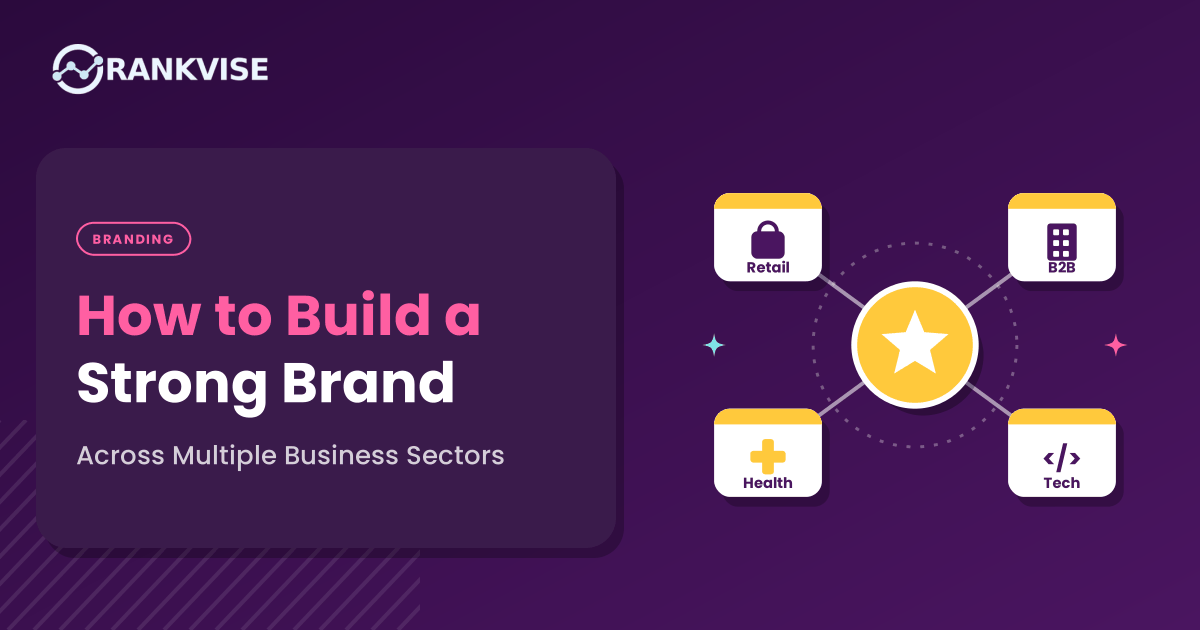
Whether your company operates in technology, finance, healthcare, retail, real estate, or professional services, a well-planned brand strategy can help you build recognition, strengthen customer relationships, and support long-term growth.
1. Establish a Clear Brand Foundation
Before entering multiple business sectors, define what your overall brand represents. Your brand foundation should remain consistent, even when your products, services, and target customers change.
Start by defining your:
- Mission: Why does your business exist?
- Vision: What long-term impact do you want to create?
- Values: What principles guide your decisions and customer relationships?
- Brand promise: What can customers consistently expect from your company?
- Unique value proposition: What makes your business different from competitors?
For example, a company operating in technology, consulting, and education might position itself around innovation, practical expertise, and customer success. These principles can guide its communication across all three sectors without forcing every service to sound the same.
A clear foundation gives customers, employees, partners, and stakeholders a consistent understanding of the organization.
2. Choose the Right Brand Architecture
Brand architecture defines how different businesses, products, and services relate to one another. It becomes especially important when an organization operates across several industries.
There are three common approaches.
Branded House
A branded house uses one central brand name across all business sectors. Individual services or divisions operate under the same identity.
For example, a company might use its main brand for technology consulting, digital marketing, and business training.
This structure helps build recognition around one name and can make cross-selling easier. However, a reputation issue in one division may also affect the wider organization.
House of Brands
A house of brands operates several independent brands under one parent company. Each brand has its own identity, positioning, and marketing strategy.
This approach works well when business sectors have very different audiences or customer expectations. It also gives individual brands more flexibility to establish their own market positions.
The main challenge is the additional investment required to manage and promote several brand identities.
Endorsed Brands
An endorsed brand combines independent business identities with support from a parent brand.
For example, an individual company may maintain its own name and positioning while displaying a clear association with the parent organization.
This approach creates a balance between independence and shared credibility.
How should you choose? Consider your business goals, customer overlap, industry differences, reputation risks, and available marketing resources. The right architecture should make your organization easier to understand, not more complicated.
For example, a diversified business group can manage ventures across industries such as real estate, hospitality, wine and spirits, health and beauty, event spaces, and IT while maintaining a shared corporate vision.
3. Understand the Audience in Every Sector
Customers in different industries rarely make purchasing decisions in the same way. Their expectations, priorities, concerns, and decision-making processes can vary significantly.
A healthcare customer may prioritize safety, expertise, and reliability. A technology buyer may focus on innovation, integration, and performance. A retail customer may pay more attention to convenience, product quality, pricing, and customer service.
Trying to reach all these audiences with the same message can weaken your marketing effectiveness.
Conduct audience research for each sector to understand:
- Customer demographics and business profiles.
- Common challenges and purchasing motivations.
- Competitors and market positioning.
- Industry-specific terminology and expectations.
- Preferred communication channels.
- Factors that influence trust and purchasing decisions.
Use these insights to create sector-specific customer personas and messaging strategies.
Your central brand values can remain consistent, but the benefits you emphasize should reflect what each audience actually needs.
4. Maintain Consistent Visual Branding
Visual consistency helps customers recognize your organization across different industries and marketing channels. It also creates a professional impression when people encounter multiple business divisions.
Develop brand guidelines that cover essential visual elements, including:
- Logo usage and variations.
- Primary and secondary color palettes.
- Typography and font hierarchy.
- Image and illustration styles.
- Graphic elements and iconography.
- Website and social media design standards.
- Presentation and document templates.
Not every business sector needs identical visual materials. Different divisions can have supporting colors, imagery, or design elements while maintaining recognizable connections to the main brand.
For instance, a parent company may use a consistent logo and typography system while allowing its technology division to use more technical imagery and its education division to use more people-focused visuals.
The goal is to create flexibility without losing brand recognition.
5. Develop Sector-Specific Brand Messaging
A strong brand communicates its value in language that customers understand. Although your overall positioning should remain recognizable, the messaging should change according to the audience and industry.
Consider a company that provides solutions across three sectors:
- Technology: Focus on innovation, efficiency, integration, and scalability.
- Consulting: Emphasize expertise, strategic guidance, and measurable business outcomes.
- Education: Highlight practical learning, accessibility, skill development, and career growth.
Each division should have its own messaging framework, including a value proposition, key benefits, supporting evidence, tone of voice, and calls to action.
Avoid making every sector sound like a variation of the same sales pitch. Customers should immediately understand what you offer and why it matters to them.
6. Build a Strong Digital Presence
Your digital presence plays a major role in shaping how customers perceive your brand. When a company operates across multiple business sectors, its website and digital marketing strategy must make those offerings easy to understand.
Start with a clear website structure. Depending on your brand architecture, you may use dedicated service pages, industry-specific sections, separate websites, or individual brand platforms.
Each sector should have relevant information, including:
- Its products or services.
- Target customers and industries.
- Specific customer problems it addresses.
- Case studies and customer testimonials.
- Relevant certifications, credentials, or evidence.
- Clear contact and conversion options.
Search engine optimization (SEO) can also help each division reach its intended audience. Develop sector-specific keyword strategies, publish relevant educational content, and create landing pages that address the search intent of each customer group.
Social media should follow the same principle. A shared company account can work when the audiences overlap, while separate accounts may be more effective when the sectors require substantially different content.
The objective is to create a connected digital experience without confusing visitors about which products or services are relevant to them.
7. Create a Unified Customer Experience
Brand consistency extends beyond logos, advertisements, and website design. Every customer interaction contributes to brand perception.
A customer might discover your company through a search engine, speak with a sales representative, purchase a service, contact customer support, and later interact with another division. Each interaction should reflect the same commitment to quality and professionalism.
Establish shared customer experience standards covering:
- Response times and communication quality.
- Sales and onboarding processes.
- Customer support expectations.
- Complaint handling and issue resolution.
- Service delivery standards.
- Follow-up and relationship management.
At the same time, allow each sector to address its specific operational requirements. A financial services division, for example, may need different compliance procedures from a retail business.
A unified customer experience does not require identical processes. It requires consistently positive and trustworthy interactions.
8. Use Content Marketing to Establish Authority
Content marketing helps organizations demonstrate expertise, educate potential customers, and build credibility across industries.
However, publishing unrelated topics under one brand without a clear strategy can dilute its positioning.
Develop a separate content strategy for each business sector. Identify the questions customers ask, the challenges they face, and the information they need before making a decision.
Useful content formats include:
- Industry guides and educational articles.
- Original research and industry reports.
- Case studies and project examples.
- Expert interviews and thought leadership.
- Webinars and instructional videos.
- Frequently asked questions.
- Customer stories and testimonials.
For example, a company operating in software and business consulting could publish technical tutorials for software customers and strategic planning guides for consulting prospects.
Organize content into clear website categories or dedicated resource sections. This helps users find relevant information while supporting your search visibility.
Most importantly, prioritize useful, well-researched content over publishing volume. Each article should strengthen the company’s credibility within its relevant sector.
9. Build Trust Through Industry Expertise
A recognizable name alone is not enough to establish credibility in every market. Customers want evidence that your organization understands their industry and can deliver what it promises.
Demonstrate sector-specific expertise through qualified teams, relevant experience, successful projects, partnerships, certifications, and customer results.
Some practical ways to strengthen credibility include:
Show relevant case studies: Explain the customer’s challenge, your approach, and the results achieved. Use measurable outcomes where reliable data is available.
Highlight industry experience: Introduce the professionals responsible for each business division and explain their relevant expertise.
Collect authentic testimonials: Gather feedback from customers in each sector rather than relying on generic company-wide endorsements.
Develop strategic partnerships: Work with established organizations, technology providers, associations, and industry specialists where appropriate.
Communicate transparently: Be clear about your services, pricing structure, capabilities, limitations, and delivery processes.
Trust grows when customers can see evidence of expertise rather than simply hearing claims about it.
10. Align Your Internal Teams Around the Brand
A strong brand requires participation across the entire organization. Marketing teams cannot maintain a consistent identity if sales, customer support, operations, and leadership communicate conflicting messages.
Create internal brand guidelines that explain the company’s positioning, values, communication standards, and visual identity.
Make sure employees understand:
- What the main brand stands for.
- How their division contributes to the overall mission.
- How to communicate with customers.
- Which brand assets and templates to use.
- How to handle customer feedback and brand-related issues.
Provide training when launching new business divisions or introducing updated brand guidelines.
You should also establish ownership for brand management. A central team can maintain the overall identity and standards, while sector leaders oversee relevant messaging and customer experience.
This balance helps prevent inconsistent communication as the organization grows.
11. Measure Brand Performance Across Business Sectors
Brand-building should be treated as an ongoing business activity rather than a one-time marketing exercise. Regular measurement helps identify which strategies are working and where improvements are required.
Track performance at both the organization and sector levels.
| Measurement area | What to evaluate |
| Brand awareness | Branded search volume, reach, and recognition |
| Digital visibility | Organic traffic, keyword visibility, and referral traffic |
| Engagement | Content interactions, website engagement, and social media activity |
| Customer trust | Reviews, testimonials, customer satisfaction, and feedback |
| Lead generation | Qualified leads, conversion rates, and acquisition cost |
| Customer loyalty | Retention, repeat purchases, and referrals |
| Business growth | Revenue contribution and growth by sector |
Do not rely on a single metric to evaluate brand strength. A sector may generate strong traffic but few qualified leads, while another may attract less traffic but convert a higher proportion of visitors.
Compare results against the goals of each business division and use the findings to refine your brand and marketing strategy.
Common Mistakes to Avoid When Building a Multi-Sector Brand
Expanding into different industries can create significant branding opportunities, but poor planning can weaken recognition and customer confidence.
Avoid these common mistakes:
Using one message for every audience: Different industries have different customer priorities. Tailor your communication to each market.
Creating too many unrelated brand identities: Launching multiple brands without a clear architecture can increase costs and dilute organizational recognition.
Ignoring industry-specific requirements: Every sector has its own standards, regulations, terminology, and customer expectations.
Making unsupported brand promises: Avoid claims that cannot be demonstrated through experience, evidence, or reliable results.
Neglecting the customer experience: A strong visual identity cannot compensate for poor service, inconsistent communication, or unreliable delivery.
Failing to review brand performance: Market conditions and customer expectations change. Regular evaluation helps keep your positioning relevant.
Conclusion
Building a strong brand across multiple business sectors requires a balance between consistency and flexibility. Your organization needs a recognizable identity, clear brand architecture, and shared values, while each business division must communicate in ways that reflect its customers and industry.
Start with a clear brand foundation, choose an appropriate architecture, understand each target audience, and develop sector-specific messaging. Support these efforts with consistent visual branding, a strong digital presence, credible content, and a reliable customer experience.
Most importantly, treat brand management as a continuous process. As your organization enters new markets and expands its services, regularly evaluate whether your brand still communicates a clear and trustworthy identity.
A well-managed multi-sector brand can do more than connect different business activities. It can strengthen market recognition, create customer confidence, and provide a foundation for sustainable long-term growth.