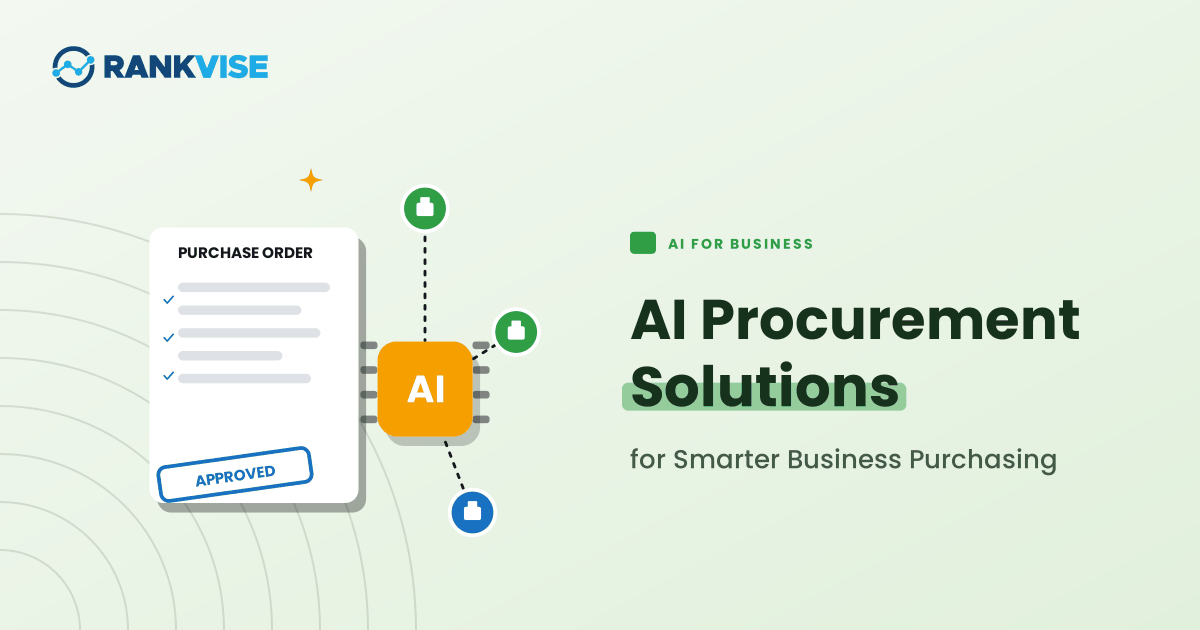
Businesses today are under constant pressure to reduce operating expenses, improve efficiency, and make better purchasing decisions. Traditional procurement processes often involve repetitive paperwork, manual approvals, supplier comparisons, and disconnected systems. These challenges can slow down operations and create unnecessary costs. As organizations look for more effective ways to manage purchasing, AI Procurement Solutions are becoming an important part of modern business strategies.
Artificial intelligence enables procurement teams to automate routine activities, analyze purchasing information, and identify opportunities for improvement. With platforms such as Levelpath, businesses can simplify procurement workflows, improve visibility, and make more informed decisions throughout the purchasing process.
Understanding AI Procurement Solutions
AI Procurement Solutions use artificial intelligence, machine learning, and data analysis to improve different stages of procurement. These technologies help organizations manage purchase requests, evaluate suppliers, analyze contracts, and monitor spending more efficiently.
Unlike traditional systems that depend heavily on manual input and predefined processes, AI-powered platforms can interpret information, identify patterns, and provide useful recommendations. This allows procurement professionals to spend less time handling administrative tasks and more time developing purchasing strategies.
Businesses can use these solutions to create more consistent workflows, improve communication between departments, and maintain better control over procurement activities.
1. Automating Time-Consuming Purchasing Tasks
One of the primary reasons businesses are adopting AI-driven procurement technology is the opportunity to reduce manual work. Procurement teams frequently manage purchase requests, collect supplier information, review documents, and coordinate approvals. Completing these activities manually can consume valuable working hours.
AI automation helps streamline these processes by organizing requests, extracting relevant information, and directing activities through appropriate approval workflows. Employees can submit their requirements more easily, while procurement teams gain a clearer understanding of pending requests.
This automation can reduce repetitive administrative work and help organizations process purchasing activities more consistently. As a result, teams can focus on supplier negotiations, strategic planning, and other tasks that require human judgment.
2. Making Smarter and More Cost-Effective Decisions
Controlling purchasing expenses is essential for maintaining profitability. However, businesses may struggle to identify unnecessary spending when procurement information is scattered across spreadsheets, invoices, and separate software systems.
AI Procurement Solutions help analyze purchasing data to reveal spending patterns, compare supplier costs, and highlight potential savings opportunities. These insights allow procurement professionals to understand where money is being spent and identify areas that require closer attention.
For example, a company purchasing similar products from multiple suppliers might discover opportunities to consolidate orders or negotiate improved pricing. AI-supported analysis can help teams identify these possibilities and evaluate them using available data.
Although actual savings depend on purchasing practices and implementation, better visibility can help businesses make more financially informed decisions.
3. Improving Supplier Selection and Evaluation
Choosing the right supplier involves more than comparing prices. Businesses must also consider product quality, delivery performance, reliability, contractual terms, and potential risks.
AI-powered procurement platforms can organize supplier information and support comparisons across multiple proposals. They can help teams evaluate responses against defined requirements, identify important differences, and review relevant supplier information more efficiently.
This approach makes it easier to compare options without manually examining every document from beginning to end. Procurement professionals can then concentrate on evaluating trade-offs and selecting suppliers that align with business objectives.
Better supplier evaluation can also support stronger relationships by encouraging transparent expectations, consistent assessments, and more informed negotiations.
4. Strengthening Compliance and Reducing Procurement Risks
Businesses must ensure that purchasing activities follow internal policies, budget requirements, and applicable regulations. When processes depend on emails and manual approvals, important information can be overlooked.
AI-driven workflows help organizations guide requests through appropriate review processes and maintain better visibility into procurement activities. Depending on the platform, these systems can also assist with contract analysis, supplier monitoring, and identifying information that may require additional review.
These capabilities help procurement teams address potential issues earlier and maintain more consistent oversight.
However, AI should complement rather than replace human review. Sensitive purchases, complex contracts, and significant supplier risks may still require approval from legal, finance, security, or other responsible professionals.
5. Connecting Teams and Improving Collaboration
Procurement decisions frequently involve several departments, including finance, legal, information technology, and operations. When these teams work with disconnected tools, communication gaps can create delays and confusion.
AI procurement platforms can connect information and workflows, making it easier for stakeholders to understand requirements, track progress, and identify the next steps. Clearer processes can reduce unnecessary follow-ups and help employees understand how to request goods and services correctly.
Levelpath focuses on improving procurement experiences through AI-powered intake and workflow coordination. Businesses exploring its approach can learn more about AI Procurement Solutions and how intelligent technology can support more organized purchasing operations.
6. Supporting Business Growth and Scalability
As organizations expand, their purchasing requirements become more complex. They may work with additional suppliers, manage more contracts, and process increasing numbers of requests. Manual systems can become difficult to maintain as transaction volumes grow.
AI-enabled procurement technology helps businesses establish repeatable workflows and improve access to purchasing information. Automating suitable tasks allows teams to manage growing workloads without increasing administrative effort at the same rate.
Scalable procurement processes also help leadership maintain visibility into spending and supplier activity as the organization develops. This makes procurement technology a useful consideration for businesses planning long-term growth.
Final Thoughts
Businesses are switching to AI Procurement Solutions because purchasing decisions increasingly require speed, accuracy, visibility, and effective cost management. From automating routine tasks to improving supplier evaluation and strengthening compliance, artificial intelligence can help procurement teams operate more strategically.
The greatest benefits come when businesses combine intelligent technology with reliable data, clear policies, and appropriate human oversight. Levelpath offers an approach to AI-powered procurement that helps organizations coordinate requests and streamline workflows.
By evaluating their existing processes and adopting suitable AI capabilities, businesses can build more efficient purchasing operations, identify potential savings, and make smarter decisions that support sustainable growth.