E-commerce companies operate in an atmosphere of intense competition for digital advertising. They must keep a vigilant eye on capturing and retaining audience interest and turning that interest into purchases.
Consumers see so many ads on social media, search, and other sites that a change in advertising creative, even one as small as changing an image, can be the deciding factor of whether a customer pauses and clicks, or quickly moves on to another page.
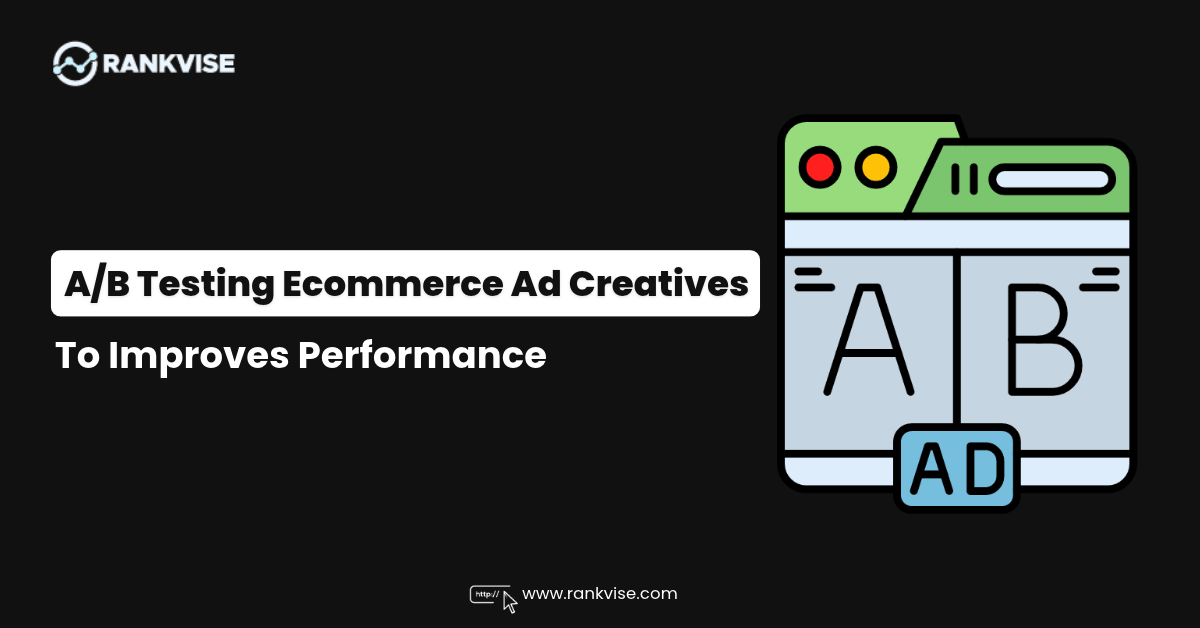
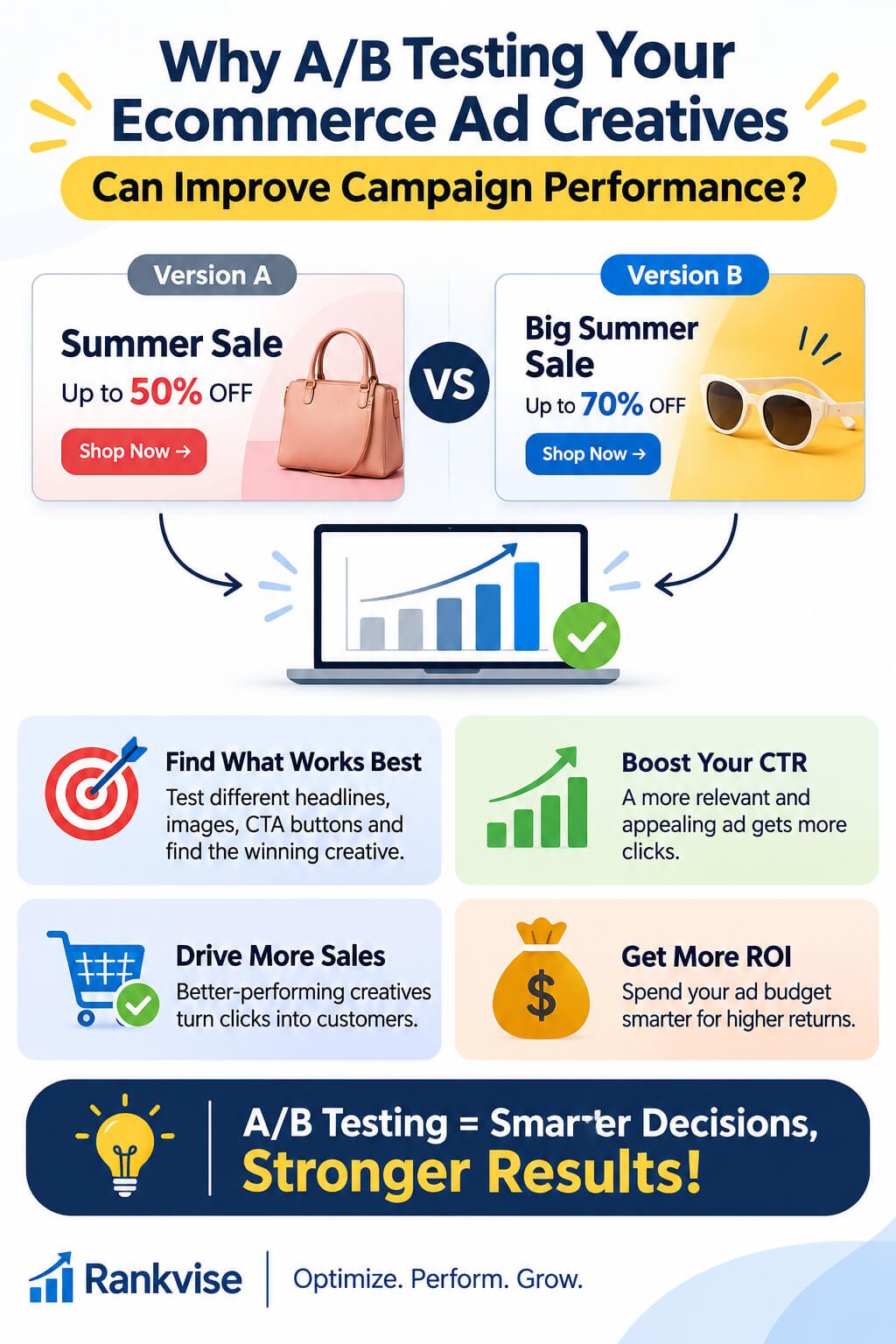
This is where A/B testing can be especially useful for companies in e-commerce, because it is an easy and effective way to analyze customer responses to advertising creative in different combinations and determine the elements that draw the best response and bring in sales.
By engaging in A/B testing, businesses can determine what works and make better, data driven advertising decisions. Better advertising, and in particular predictability in order volumes, can benefit companies using 3PL, because fulfillment operations can become much more organized and streamlined.
Using A/B Testing in E-commerce Ads
The most common way to use A/B testing is to create and run ads of the same length, varying only one specific feature. There are ads of different versions with similar attributes, such as ads with different ad copy, ads with different headlines, ad copy and imagery.
A skincare company can test variations of ads for its products against a testimonial ad using their products, and compare engagement, CTR and the purchases, to determine the efficacy of each creative.
In a world where opinion reigns, marketing teams can use A/B testing to understand real audience behaviors, and determine which advertisements actually deliver results. Just because a team of creatives thinks a marketing campaign is visually engaging, doesn’t mean it will provide higher results than more basic campaigns.
Customers often behave differently from what marketing teams would expect, which is why testing can help a company establish more accurate insights on their customer base and inform their future marketing campaigns.
A/B Testing Can Drive Engagement and More CTRs
Advertising can draw attention but doesn’t guarantee a sale. Creativity should encourage purchase. Customers want to see that what is advertised has value. Advertising that clearly articulates shipping policies, advantages over similar competitor offers, benefits of products and explains more can draw customers to the offer.
Testing different creative advertising messages gives a more accurate understanding of customer response to help businesses formulate customer engagement and purchase policies to make more sales with better customer acquisition efficiency.
Ad click through is much improved by A/B testing ad creative. Changes to ad components can impact the ad effectiveness. An example of ad component variations includes product photos on the white or clear background as opposed to furniture or home scene photos. A more complex example, like of A/B testing, includes variations of photos to test consumer preferences.
Increasing Conversion Rates and Sales
Through increased ad interaction, an advertiser gains valuable understanding of different audience demographics. This includes audience preference of different aspects of the offer such as a bargain and discounts or preference of good product quality, product utility, or positive reviews of a product.
In the future, based on results from various ad campaigns, an ad variation, which is best suited to the target audience, can be developed and used on several ad networks. Ad campaigns can be tailored to several different customer segments as opposed to targeting an entire ad audience with one campaign approach.
Ad clicks are most commonly known to have several more uses beyond drawing customer attention to an ad campaign. Other aspects of an ad campaign must be evaluated to see which approach will result in more purchases and also less traffic. For example, testing ad creative variations such as free shipping or discounts can provide customer insights.
Testing ad creative to see the response can clarify which approach of product presentation works best and also what concerns must be overcome for an ad to result in a purchase. Such insight helps with more cost-efficient ad creative as well as improving more effective and quicker ad purchases and therefore the ad spends results.
Reducing Advertising Costs and Improving Return on Investment
If you find that advertising campaigns generate more interest than actual conversions, budgeting can become frustrating. A/B testing can help by providing ways to track creative elements that do not yield results, allowing businesses to save on advertisement spending. Measuring return on investment (ROI) includes indicators such as CTR (click-through rate), conversion rate, cost per conversion (CPC), cost per acquisition (CPA), and advertising return on ad spend (ROAS).
One example might be a creative with a low CTR that might not be immediately effective, but provides conversion potential on high-value products. Viewing more than one performance indicator helps to establish the most profitable creative element.
Evaluating advertising efficiency as part of any digital commerce business activity becomes essential for growing an online sales footprint. For online paid advertising spend of over $5,000 per month, the positive cash flows created by marginal shifts in the conversion rate and CPA can be huge.
Testing provides a safe harbor for marketing departments to experiment, even at increased spend levels, before committing more money. A testing philosophy can prevent a company from continually throwing money at a losing hand. A combination of changing market dynamics, competitive issues, and shifts in advertising platform rules and processes require regular evaluation of advertisements.
Understanding Customer Behaviour and Purchasing Preferences
The customer preferences and behavioral patterns in different markets are valuable, even essential, to most online marketing campaigns. This type of learning, beyond simple ad results, provides more information to most marketing and product campaigns.
Advertising fitness products could demonstrate that there are more conversions with use case imagery than ads with specification copy. In such an ad campaign, more people converted to become buying customers, thus demonstrating to the advertiser the customers buying decisions and effective ways of marketing the products.
Insights can extend beyond advertising. Customer understanding helps an ecommerce company determine how to use promotional budgets, how to use messaging for advertising, and how to structure online information. For instance, customers respond well to ads about fast and convenient delivery, and so companies will incorporate messaging about shipping flexibility during the customer journey.
Brands with reliance on third party fulfillment can particularly use this information to decide whether they should even advertise on speed. Unsubstantiated claims will leave Customers disappointed.
Supporting Inventory Planning and 3PL Fulfillment Operations
Inventory and fulfillment plans must support any marketing efforts. Changes in marketing efforts have impacts that span much more than marketing. This is especially true for third party fulfillment models. Changes in advertising efficiency can result in more or less orders, additional storage needs, and higher or lower levels of staffing.
Once an advertisement with a better performance is identified, advertising budgets should shift towards campaigns with similar elements. With more understanding about advertising efficacy, companies are better prepared for unpredictable customer buying habits. This predictability can help support any campaign with some planning.
Advertising campaign coordination is extremely critical with Third Party logistics. With advertising campaigns and inventory both being outside of your control, the balance between campaigns and inventory becomes delicate. Advertisers can better forecast inventory based on their campaign performance.
They can discuss their advertising plans with their third party logistics and coordinate them with their ecommerce fulfillment services. Increased advertising coordination helps avoid many customer fulfillment issues such as stockouts and fulfillment delays. Better advertising confidence can lead to larger fulfillment capabilities and the chance to capitalize on even more demand.
Improving the Customer Experience with Effective Advertising
For promotional claims, successful companies make promises they can actually fulfill. Marketing and advertisement must match order fulfillment and the availability of inventory. Shipping is one good example of an advertisement with a claim that must be sustained by inventory and delivery processes. Marketing can draw customers with the help of advertisements with positive claims, but it must be backed up by positive delivery practices.
The use of marketing messages that explain features and benefits, suggest product uses, include the prices and shipment terms of a product, can entice potential customers to buy a product, but they also prevent buyer’s remorse.
Advertisements can help customers purchase a product with accurate expectation and, in turn, lower customer return rates. Additionally, with the use of 3PL providers, returning a product results in more work and expenses for businesses. Therefore, messaging can help to prevent customers from having a bad shopping experience.
Structuring Your A/B Testing Campaigns
A/B testing is most effective when advertising is tested systematically. Randomly varying advertisements is rarely fruitful. Successful campaigns usually start with an objective (like increasing click-through rate, driving sales, or minimizing customer acquisition cost), and from there businesses can design meaningful ads for comparison.
Multiple variables complicate analyses, and it is most effective to test one variable at a time (e.g. testing one variable of several similar advertisements). If your business wants to test different product images, for example, then advertisements must be virtually identical, differing only by the image being tested.
As tests proceed, decisions about variation effectiveness are made with larger volumes of data. Unrepresentative variations with very small volumes can provide false positive decisions, while those with long intervals and lots of variation in audience can lead to results which lack conviction.
These variations can also result in incorrect conclusions being drawn because of several confounding variables including competition and seasonal promotions as well as some fluctuations in the performance of the chosen platform for advertisements.
Successful variants will allow businesses to make substantial improvements and also draw ideas for future tests. Over several iterations, successful businesses will have the capability to create marketing practices which run with efficient inventory as well as operations, even with several marketing activities running at the same time.
Summary
This document presents how advertising performance on an ecommerce business is significantly improved, and marketing can become less expensive. Advertising campaign analysis, including ad testing, allows businesses to determine customer messaging and creative styles that perform best.
Improvements of these types can lead to advertising returns being improved and, perhaps more importantly, better understanding customer preferences. Ecommerce businesses partnering with 3PL providers will benefit in customer service, better order fulfillment, and better inventory control.
Ad performance is enhanced by better delivery of creative. Better customer service, better order fulfillment, and better inventory control can be realized through creative ad delivery. Integrating advertising testing with more advanced fulfillment controls gives the ecommerce company an edge over competitor companies and creates opportunities for long term customer engagement.