Skip to content
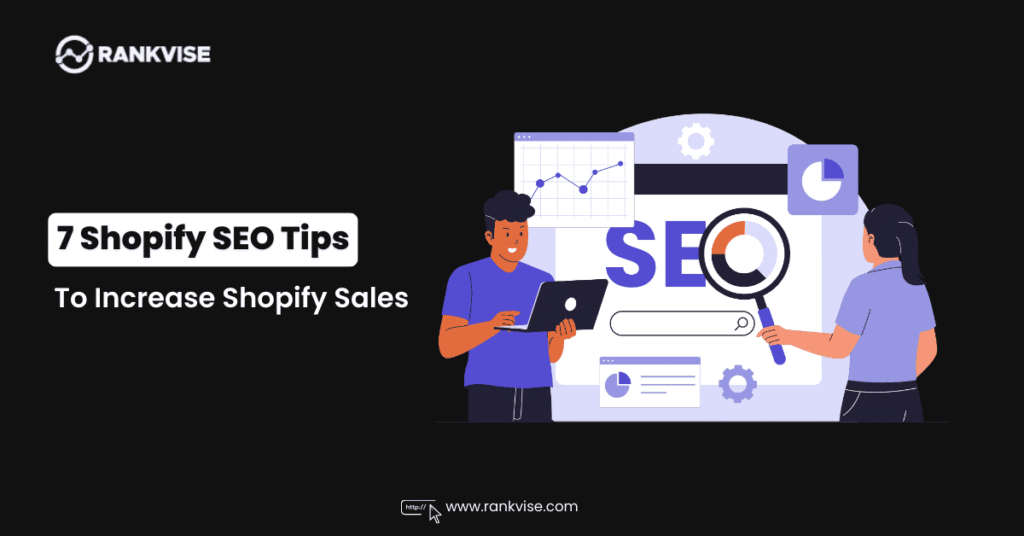
In the competitive world of e-commerce, particularly within Shopify’s vast marketplace, understanding how to optimise your online store for search engines is crucial.
Consumers heavily rely on Google and other platforms to discover new products, which makes SEO (Search Engine Optimisation) an indispensable part of driving traffic to your store.
Here are seven actionable tips to enhance your Shopify site’s SEO, ultimately leading to more customers and higher sales.
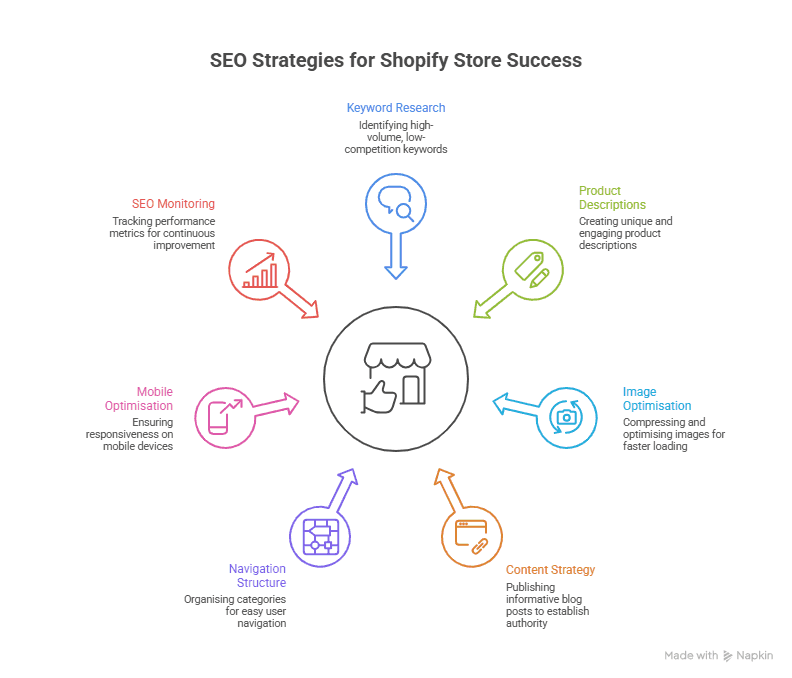
1. Conduct Thorough Keyword Research
Before diving into optimisation tactics, understanding what your potential customers are searching for is vital. Tools like Google Keyword Planner, SEMrush, or Ubersuggest can provide insights into what keywords have high search volume and low competition relevant to your products.
Focus on Long-Tail Keywords: These specific phrases typically have lower competition and higher conversion rates. For instance, rather than targeting “shoes”, consider “women’s running shoes for flat feet”.
2. Optimise Product Descriptions
Each product page on your Shopify store should have unique descriptions that not only inform but also engage potential buyers. Incorporating keywords naturally throughout the text is essential, but remember, readability should come first.
Use Clear, Persuasive Language: Avoid jargon and aim for a conversation with your reader. Highlight the benefits of the product and include features that set you apart from competitors.
Consider this example: Instead of writing “Our shoes are durable”, say “These lightweight trainers combine cutting-edge material and superior craftsmanship for lasting comfort, perfect for your next run.”
3. Leverage Image Optimisation
High-quality images can significantly influence buyer behaviour, but they can also slow down your site if not optimised correctly. Use descriptive, keyword-rich filenames and alt text for all images.
Improve Loading Times: Compress images to reduce file size without sacrificing quality. Faster loading times enhance the user experience, which is closely tied to SEO rankings.
4. Implement a Content Strategy
A robust content strategy can be a game-changer for your SEO efforts. Regularly publishing informative blog posts can establish your brand as an authority in your niche and offer valuable information to your audience.
Engage with Your Audience: Address common questions, provide guides or tutorials, and highlight industry trends. You may even want to explore case studies or customer spotlights.
By consistently delivering quality content, you also increase your opportunities for inbound links. Such backlinks are crucial for scaling organic growth for DTC retail brands and enhancing your site’s authority.
For those looking to delve deeper into effective strategies for driving organic growth, exploring expert services can provide tailored insights that complement your efforts. For example, consult https://www.clickslice.co.uk/shopify-seo-services/ to refine your approach and strategies.
5. Create a User-Friendly Navigation Structure
When potential customers visit your site, they should be able to find what they are looking for quickly. A clean, intuitive navigation structure not only enhances user experience but also aids search engines in indexing your pages correctly.
Organise Your Categories Wisely: Consider breaking down your product categories logically and maintaining a clear hierarchy. Use breadcrumb navigation to further assist users in understanding their location within the site.
6. Optimise for Mobile
With a growing number of consumers shopping via mobile devices, ensuring your Shopify store is responsive is no longer optional—it’s essential. Google’s mobile-first indexing means that the mobile version of your site is used to rank your pages.
Responsive Design: Make sure your site looks great and functions smoothly on various devices. Test your site thoroughly on smartphones and tablets, ensuring buttons are tappable, and images scale properly.
7. Monitor and Adjust SEO Strategies
SEO is not a set-it-and-forget-it aspect of your e-commerce strategy. Continuous monitoring and adjusting based on performance metrics are vital.
Utilise Analytics Tools: Google Analytics, Google Search Console, and Shopify’s built-in reports can provide insights into how well your SEO strategies are working. Look for trends in traffic, bounce rates, and conversion rates to evaluate different elements of your SEO strategy continuously.
Conclusion
By implementing these seven SEO tips, you can significantly enhance your Shopify store’s visibility in search engines, ultimately leading to increased traffic and sales. Remember, SEO is an ongoing process that requires constant adaptation and optimisation tailored to the evolving digital landscape.
With diligence and the right strategies in place, your Shopify store can not only stand out but thrive in the competitive e-commerce world. Embrace the value of well-researched keywords, user-friendly design, and high-quality content to capture the attention of your target customers and keep them coming back.